World Children’s Day: Planting the Seeds of a Brighter Future for Children Across Canada
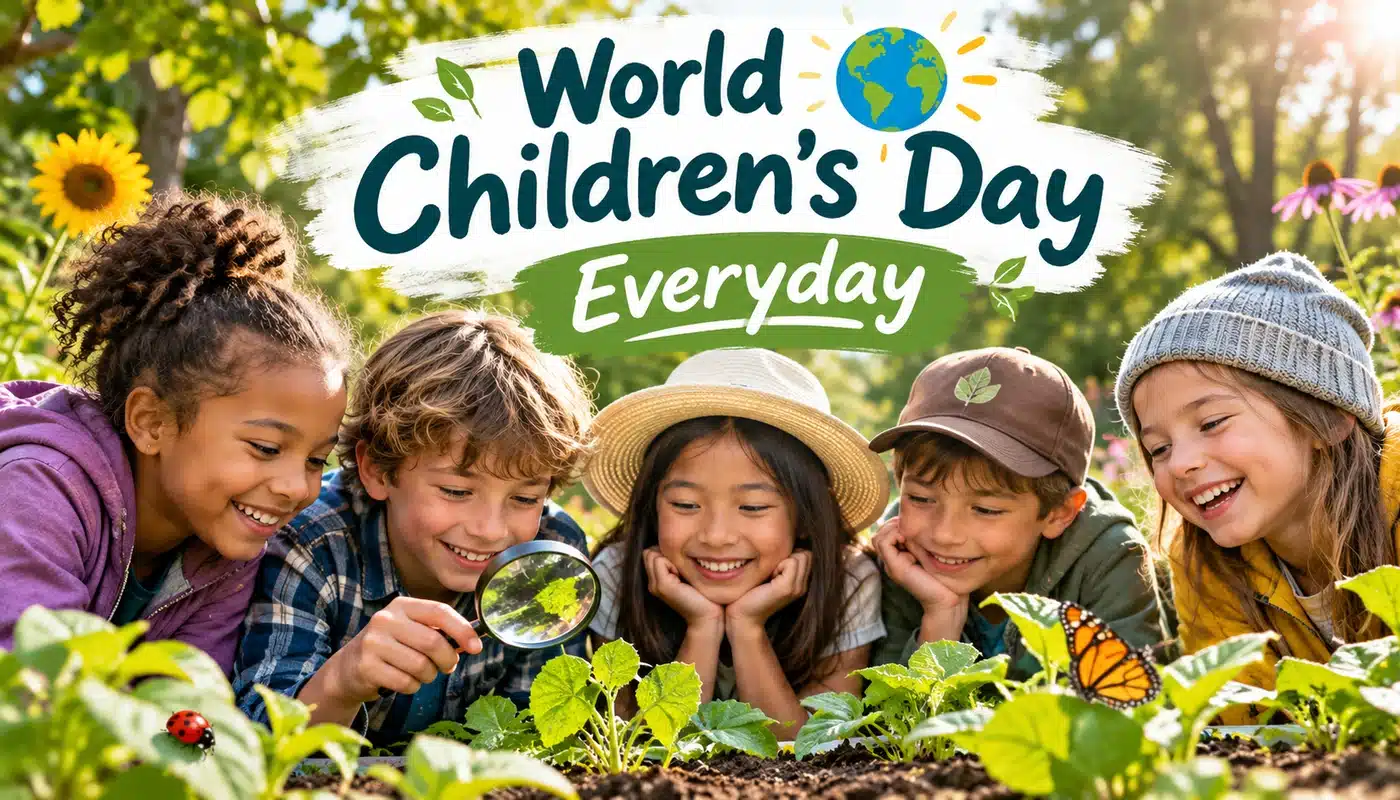
Each year on November 20, World Children’s Day provides an opportunity to reflect on the rights, well-being, and future of children around the world. The date commemorates the adoption of the United Nations Convention on the Rights of the Child in 1989, a landmark international agreement recognizing that children have fundamental rights to protection, education, health, and development. In Canada, November 20 is also recognized as National Child Day, bringing the focus closer to home and encouraging Canadians to reflect on the well-being of children within our own communities. This national observance is particularly meaningful when considering the challenges facing children and families across the country, including poverty, food insecurity, and unequal access to educational resources and opportunities that support healthy development.
At the heart of this annual observance is a simple but important principle: every child deserves the opportunity to learn, explore, grow, and imagine a future filled with possibilities. Yet the experiences that help shape a healthy and fulfilling childhood are not equally accessible to everyone. Even in a country as prosperous and resource-rich as Canada, many children face barriers to educational opportunities, nutritious food, and meaningful experiences that can positively influence their development and future well-being.
For the team at Plant a Seed & See What Grows Foundation, however, supporting children’s well-being is not something reserved for a single day on the calendar. It is a commitment that continues throughout the year, one seed, one storybook, one classroom, and one community at a time.
Through educational resources, gardening programs, and opportunities to connect with the natural world, our Foundation is helping children discover where their food comes from, develop practical life skills, and experience the satisfaction of nurturing something from seed to harvest. These may seem like simple experiences, but their potential influence can extend far beyond the garden.
World Children’s Day Reminds Us That Canadian Children Need Support, Too
When World Children’s Day is recognized each November 20, much of the international attention understandably focuses on children living in developing countries, communities affected by conflict, and regions where poverty, hunger, and limited access to education present enormous challenges. While these concerns deserve continued awareness and action, the occasion also provides an opportunity to examine the circumstances facing children much closer to home, including those growing up in communities throughout Canada where financial hardship, food insecurity, and unequal access to educational resources remain persistent concerns. Again, it’s why the observance has been established as National Child Day in Canada.
Despite Canada’s reputation for a high standard of living and well-established public services, many families struggle to meet the rising costs of housing, groceries, transportation, and other everyday necessities. According to the 2025 Report Card on Child and Family Poverty in Canada, nearly 1.4 million Canadian children live in poverty, representing approximately 18.3% of children nationwide under the report’s low-income measure. Millions more live in households experiencing some degree of food insecurity, demonstrating that access to nutritious food and opportunities for healthy development cannot be taken for granted.
These challenges can be especially pronounced in rural, northern, and geographically isolated communities, where considerable distances, transportation costs, limited infrastructure, and fewer community resources can create additional barriers. While children in major urban centres may have convenient access to libraries, community gardens, educational attractions, and organized outdoor programs, those living in more remote regions may have considerably fewer opportunities. For Indigenous communities in particular, historical and ongoing inequalities in access to essential services and infrastructure further reinforce the importance of locally relevant, community-led educational initiatives.
Access to nutritious food and opportunities to understand where that food comes from are also important considerations. While many children recognize fruits and vegetables from grocery stores, not all have experienced planting seeds, caring for growing plants, or harvesting fresh produce. These hands-on activities can introduce valuable lessons about nutrition, environmental responsibility, patience, and problem-solving. They also encourage children to develop a stronger connection with nature while discovering practical skills that can benefit them throughout their lives.
Importantly, the benefits of these experiences often extend beyond the classroom. Children who participate in gardening and outdoor learning activities can bring their enthusiasm home, inspiring conversations and activities involving parents, siblings, grandparents, and caregivers. Something as simple as growing herbs on a windowsill or planting vegetables in a small garden can become an opportunity for families to learn together, regardless of their financial circumstances.
This is where the work of Plant a Seed & See What Grows Foundation connects directly with the broader message of World Children’s Day / National Child Day. By providing educational resources, seeds, and opportunities for hands-on learning through participating schools, libraries, and early childhood organizations, the Foundation helps make nature-based education more accessible to children who might otherwise have limited opportunities to participate.
Ultimately, World Children’s Day should encourage more than awareness of the challenges facing children. It should inspire meaningful action that helps create opportunities for them to learn, explore, and thrive. For Plant a Seed & See What Grows Foundation, that commitment extends well beyond November 20, guiding its programs and partnerships throughout every season of the year.
Planting Seeds of Opportunity in Classrooms Across Canada
One of our Foundation’s core initiatives is Seeds of Inspiration, a program that provides complimentary storybooks, workbooks, and seeds to kindergarten through Grade 3 classrooms.
The concept is straightforward: give educators accessible materials that encourage children to learn about plants, explore the natural world, and participate in growing something themselves. For a young student, planting a seed can be a surprisingly powerful experience. It begins with curiosity. What will happen when the seed is placed in soil? How much water does it need? Why does sunlight matter? How long will it take before something begins to grow? As the days pass, children can observe changes, ask questions, record discoveries, and begin understanding the relationship between their actions and the living world around them. A classroom planting activity can introduce scientific concepts while supporting reading, writing, observation, and problem-solving skills. It can also teach patience, responsibility, and the value of caring for something over time.
For schools operating with limited resources, complimentary educational materials can make activities like these more accessible without adding significant pressure to classroom budgets. And when children bring their enthusiasm home, those lessons can become conversations and activities shared with parents, grandparents, siblings, and caregivers.
Bringing Stories to Life Through Canadian Libraries
While some have long considered traditional public libraries to be institutions of the past, the growing appeal of analog experiences is helping renew appreciation for everything they offer. In an increasingly digital and AI-driven world, more people are rediscovering the value of tangible, real-world experiences, from turning the pages of a physical book to exploring printed illustrations and participating in hands-on learning activities. For children especially, these tactile experiences provide a welcome counterbalance to screen-based entertainment and education, encouraging curiosity, creativity, and meaningful connections with the world around them. As families and communities seek a healthier balance between digital convenience and traditional learning, preserving and strengthening public libraries becomes increasingly important.
Through initiatives such as Plant a Seed & See What Grows Foundation’s Plant a Seed — Read! program, libraries can build on this renewed interest in analog learning by combining the timeless appeal of books and storytelling with the hands-on experience of planting seeds and discovering the natural world.The program provides complimentary storybooks, colouring books, and seeds that can be incorporated into storytime sessions and related educational activities.
Imagine a group of young children listening to a story about growing vegetables, learning how seeds become plants, and then receiving an opportunity to plant seeds of their own. The experience connects literacy with the physical world, making stories more interactive and memorable. For community libraries, these resources can also provide a starting point for activities involving local families, volunteers, and educators.
This opportunity is particularly valuable in communities where free or low-cost children’s programming may be limited. A modest collection of books and planting materials can become the foundation for an engaging group activity that brings children together while encouraging a lasting interest in reading and nature.
Giving Preschoolers and Daycare Children Their First Growing Experience
A child’s relationship with nature can begin long before formal schooling. The Foundation’s Seedlings of Wonder program is designed for daycares and preschools, providing complimentary storybooks, colouring books, and seeds to help introduce young children to the natural world. At this early stage, the experience is less about understanding complex scientific concepts and more about developing curiosity through play, observation, and discovery. Young children can learn to recognize seeds, observe changes in plants, and explore the colours, textures, and shapes found in nature. They can also begin developing a basic understanding that food does not simply appear on grocery store shelves. It comes from living systems that require soil, water, sunlight, time, and care.
These early experiences can lay the groundwork for conversations about nutritious food, the environment, and the importance of looking after the world around us. For daycare providers and early childhood educators, having accessible materials available can make it easier to introduce these lessons in a welcoming, age-appropriate way.
School Gardens: Where Education, Nutritious Food, and Community Come Together
While planting a seed in a classroom offers a valuable introduction to gardening, having access to a dedicated school garden can take that experience much further. Our Foundation has long supported the development and maintenance of school gardens through funding opportunities that help educators establish living classrooms on school grounds. These existing gardens allow students to participate in the growing process over an extended period, from preparing the soil and planting seeds to caring for crops and harvesting fresh produce. Along the way, children can learn practical skills that connect science, nutrition, environmental stewardship, and teamwork. School gardens can also introduce children to vegetables and other foods they may not regularly encounter at home. For some students, tasting a freshly harvested carrot, pea, or tomato that they helped grow may be their first meaningful experience connecting food with the land.
The benefits can extend into the wider community as well. Gardens can become places where families volunteer, educators collaborate, and children develop pride in contributing to something shared. In communities experiencing food insecurity, gardens can also provide opportunities to grow fresh produce locally. Although school gardens cannot replace comprehensive food-security programs, they can complement broader efforts by strengthening food knowledge and creating opportunities to share what is grown. View more here.
Outdoor Learning Experiences That Go Beyond the Classroom
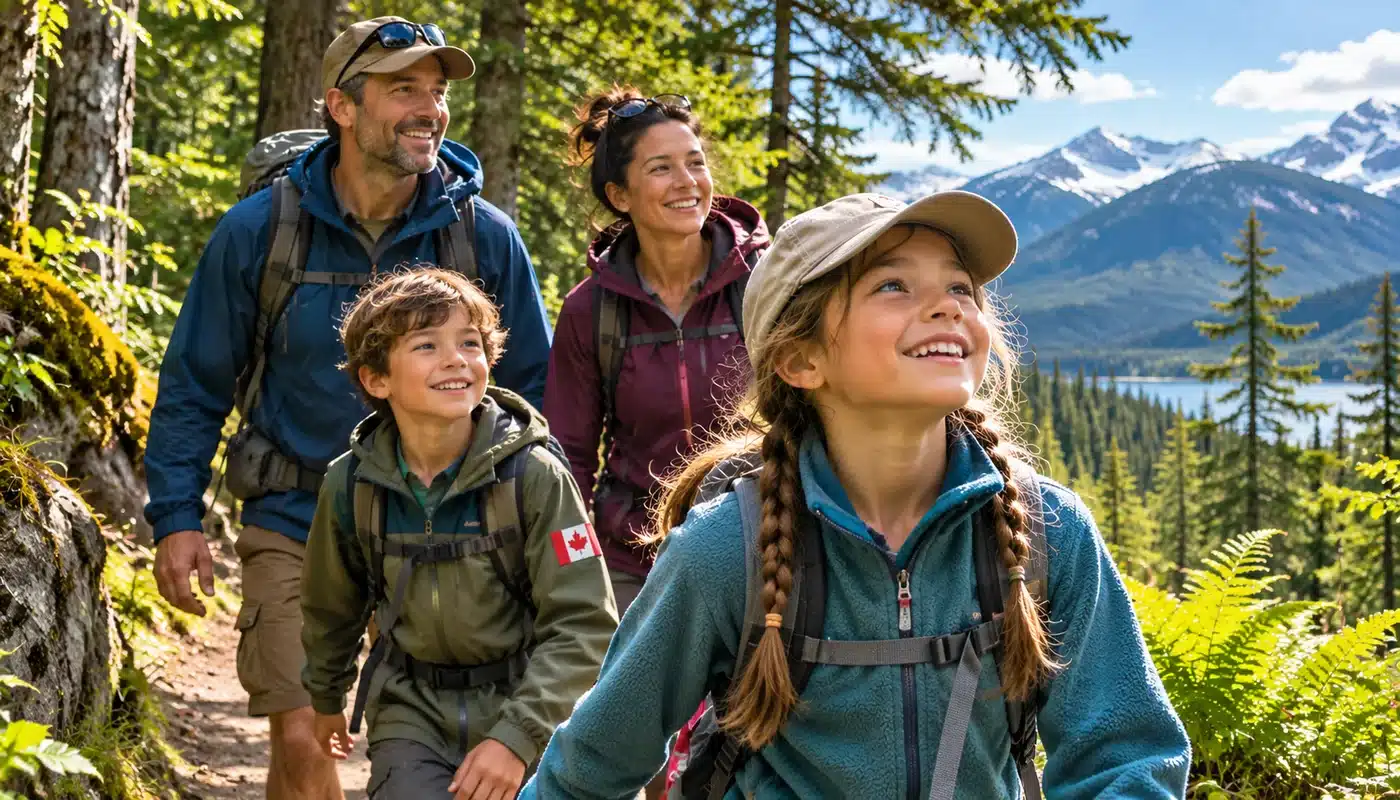
Not every valuable lesson takes place behind a desk. While Plant a Seed & See What Grows Foundation has placed less emphasis on directly funding outdoor learning experiences in the most recent year, our commitment to encouraging children to explore, discover, and learn from the natural world remains as strong as ever.
One of the ways the Foundation continues to support this mission is through our extensive online journal, which offers a wealth of educational articles, creative activities, and practical inspiration for parents, guardians, caregivers, and educators looking to introduce children to the wonders of outdoor learning. Many of these articles are thoughtfully developed around days of recognition and seasonal observances, including occasions such as World Children’s Day and National Child Day. These celebrations provide natural opportunities to introduce children to important subjects through engaging, hands-on experiences, whether exploring local ecosystems, discovering edible plants, learning about sustainable food production, or simply spending meaningful time together outdoors. By connecting educational activities with globally recognized events, families and educators can help children better understand the world around them while making learning both relevant and enjoyable. We encourage readers to bookmark our journal and return regularly for fresh ideas, seasonal inspiration, and practical ways to turn everyday outdoor adventures into memorable learning opportunities. Whether planning a family outing, organizing a classroom activity, or looking for something educational to do over the weekend, the Foundation’s growing collection of articles offers inspiration for getting children outdoors, nurturing their natural curiosity, and encouraging them to absorb as much knowledge, excitement, and wonder from the world around them as possible.
★ Bookmark the See What Grows JournalReaching Children in Communities Where Opportunities Can Be Harder to Access
One of the most important conversations surrounding World Children’s Day / National Child Day is how to ensure that geography does not determine a child’s opportunities.
Across Canada, communities differ dramatically in their access to educational resources, fresh food, transportation, and organized activities. In some northern and remote communities, providing children with the same range of programming available in larger urban centres can involve considerable logistical and financial challenges. This is where resource-sharing programs have an important role to play.
By providing educational materials and seeds directly to eligible schools, libraries, and early childhood organizations, the Foundation offers a practical way to support learning in communities that may otherwise struggle to access comparable materials. A package of books, workbooks, and seeds may not seem substantial at first glance. But in the hands of an enthusiastic educator, it can provide the starting point for weeks of learning and discovery. It can also encourage activities that involve the wider household. A child who learns to grow vegetables at school may inspire family members to experiment with container gardening, explore locally available foods, or spend more time outdoors together.
Of course, different communities have different climates, growing seasons, cultural traditions, and food systems. Programs are most meaningful when educators can adapt activities to local circumstances and respect the knowledge already present within their communities. For northern and Indigenous communities in particular, opportunities to connect with local growing practices, land-based knowledge, and community elders can add important cultural and educational dimensions when developed in collaboration with local leaders.
The Foundation’s programs provide useful resources for these efforts, while educators and community organizations remain essential partners in making the experiences relevant to the children they serve.
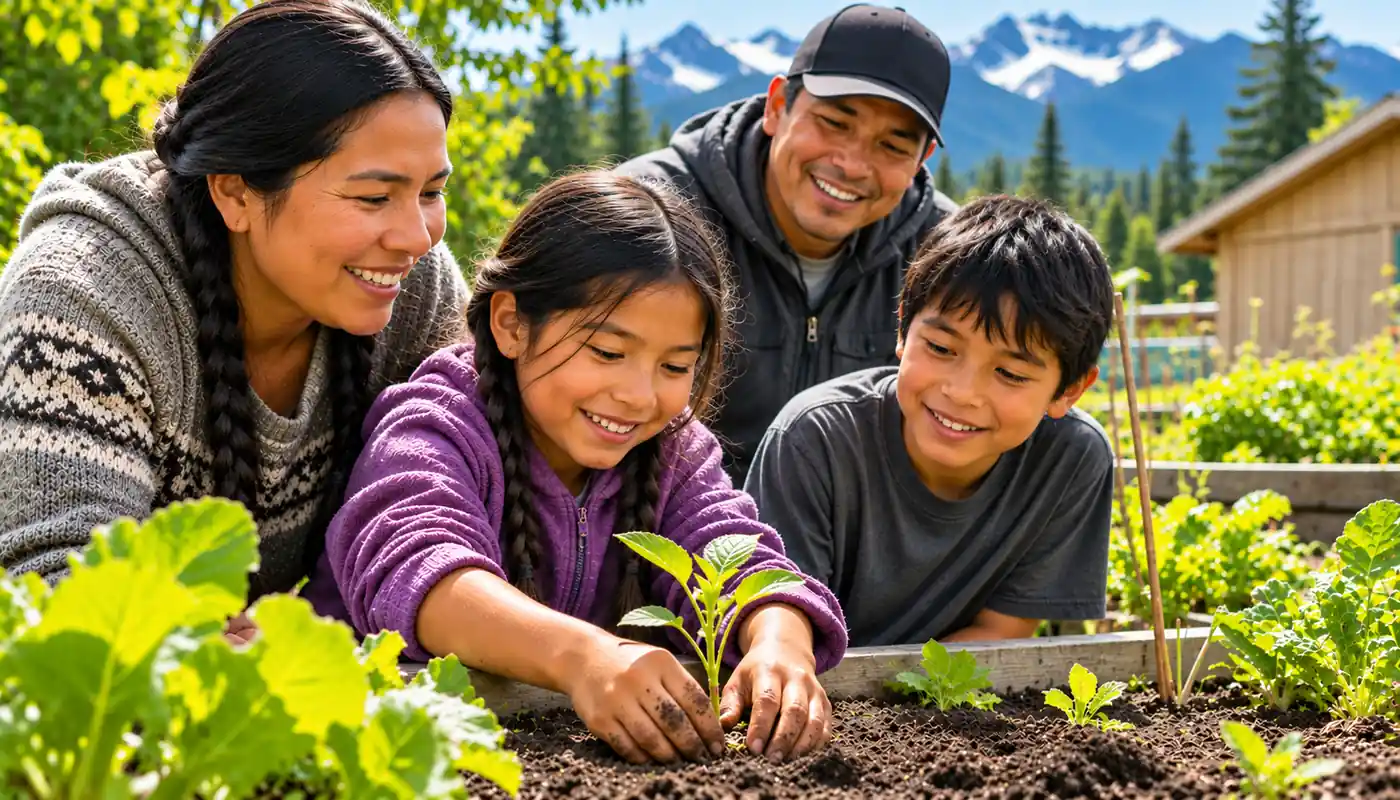
How Canadians Can Make a Difference This World Children’s Day
Supporting children does not always require a major financial commitment, a formal volunteer position, or a significant amount of free time. Sometimes, making a difference begins with a conversation.
A parent might mention the Foundation’s classroom resources to their child’s teacher. A grandparent might share an article about school gardening with a local community organization. A librarian might discover that complimentary books and seeds are available for children’s programming. Each of these small actions can help connect more children with opportunities they might otherwise miss.
There are several practical ways Canadians can support our Foundation’s work throughout the year.
Share information with your community. One of the simplest ways to help is to share this article and other educational content from See What Grows with friends, family members, educators, and community organizations. Social media posts, community newsletters, parent groups, and school communications can all help introduce new audiences to the Foundation’s programs.
Encourage schools, libraries, and early childhood organizations to participate. Educators and community leaders can explore the Foundation’s complimentary educational materials and determine which programs are suitable for their students or participants. Parents and caregivers can help by bringing these opportunities to the attention of local institutions.
Support school gardens and outdoor learning. Individuals, community groups, and businesses can contribute to gardening projects through donations, fundraising, volunteering, and partnerships. A school garden can provide educational benefits for many years, creating opportunities for successive groups of students.
Become a Friend of the Foundation. The Foundation also offers a free way to stay connected through its Friends program, which shares news about educational initiatives, school gardens, and opportunities to participate.
Make a financial contribution whenever possible. Donations help the Foundation continue providing educational materials and seeds free of charge while supporting school gardens and other hands-on learning opportunities.

Our Foundation’s Get Involved page outlines several ways to contribute, including recurring donations. Even a relatively modest monthly gift can help make educational programming more accessible. For those interested in supporting specific garden needs, the Foundation also provides examples of how contributions can help supply seeds, gardening tools, raised beds, and other materials.
Why Supporting an Established Canadian Charity Matters
When people consider making charitable donations, it is natural to want reassurance that their contributions will support meaningful work.
Plant a Seed & See What Grows Foundation is a registered Canadian charity, with charitable registration number 80622 2832 RR0001, and an established record of working with educational institutions and community partners.
Our programs provide a practical connection between charitable giving and opportunities for children. Financial contributions can help fund the preparation and distribution of educational resources, provide seeds for classroom activities, and support the development of school gardens. For donors, this offers a tangible way to contribute to children’s learning and development without having to organize an educational initiative themselves. The Foundation already has programs, relationships, and processes in place to help translate financial support into resources that participating schools, libraries, and early childhood organizations can use. Our annual reports also provide an opportunity for supporters to learn more about the organization’s activities and progress.
Of course, no single charitable organization can eliminate childhood poverty, resolve food insecurity, or address every educational inequality facing Canadian families. But meaningful progress often comes from many organizations, educators, families, and individuals working toward shared goals. Helping children develop practical knowledge about food, nature, and environmental responsibility is one important contribution to that larger effort.
World Children’s Day Lasts 24 Hours. Its Message Should Last All Year.
As November 20 approaches, Canadians have an opportunity to consider what World Children’s Day / National Child Day means beyond recognizing an important international observance.
It is a reminder that children deserve more than good intentions. They deserve meaningful opportunities to learn, participate, explore, and develop the skills that will help them throughout their lives. For Plant a Seed & See What Grows Foundation, that commitment continues long after World Children’s Day has passed. It continues when a teacher opens a package of educational materials and introduces a classroom to its first planting activity. It continues when a librarian brings children together for a story about growing food. It continues when a school garden produces its first harvest and students proudly share what they have learned with their families. And it continues whenever someone decides that helping children discover the possibilities of the natural world is a cause worth supporting.
This World Children’s Day, we invite you to become part of that effort.
Share this article with someone who works with children. Introduce our programs to a school, library, daycare, or community organization. Become a Friend of the Foundation, volunteer, or help support a school garden.
And if you are in a position to make a donation, please consider doing so. Every contribution, regardless of size, helps sustain programs that bring educational materials, seeds, and hands-on learning opportunities to children and communities across Canada.
Because every child deserves the opportunity to grow, and every seed planted today holds the possibility of a brighter tomorrow.
Get involved with Plant a Seed & See What Grows Foundation:
- Explore our programs: https://seewhatgrows.org/our-programs/
- Donate or get involved: https://seewhatgrows.org/get-involved/
- Become a Friend of the Foundation: https://seewhatgrows.org/friends/