
Teaching Kids Self Care Through Nature
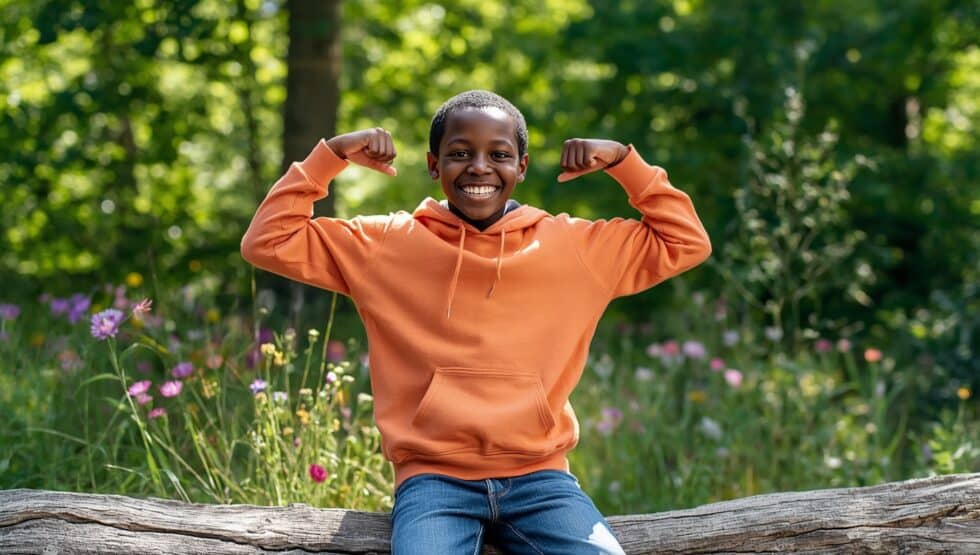
International Self-Care Day is observed each year on July 24 to raise awareness about the importance of making self-care a lifelong priority. Established in 2011 by the International Self-Care Foundation, the day was created to highlight how everyday choices and habits can support personal health and wellbeing. In Canada, International Self-Care Day continues to gain recognition as families, educators, and health organizations place greater emphasis on helping children develop healthy routines from an early age. At a time when busy schedules, academic pressures, digital distractions, and countless responsibilities can compete for a child’s attention, self-care provides an important reminder that taking time to care for one’s own physical, emotional, and mental well-being is not a luxury—it is a necessary part of living a balanced and healthy life.
Teaching children the value of self-care during their formative years helps establish habits and mindsets that can serve them throughout adolescence and adulthood. When children understand the importance of caring for themselves, they become better equipped to recognize their own needs, manage stress, make thoughtful decisions, and build greater confidence and independence. Early exposure to self-care concepts also encourages children to develop emotional awareness, resilience, and a stronger sense of personal responsibility, helping them navigate the challenges and changes that naturally come with growing up.
Many elements of self-care are deeply connected to the natural world, making time spent outdoors a powerful tool for supporting children’s overall well-being. Nature encourages movement, reflection, creativity, relaxation, and meaningful connection—all important aspects of a healthy childhood. This connection between self-care and the environment aligns perfectly with the mission of the Plant a Seed & See What Grows Foundation, which promotes the idea that nature plays an essential role in children’s upbringing, learning, and long-term well-being. By helping children develop a relationship with the outdoors, families can create opportunities for healthier habits, stronger emotional foundations, and a deeper appreciation for the world around them.
The article below explores the core components of self-care—physical, emotional, mental, social, spiritual, and environmental—and provides insight into how Canadian parents can introduce these concepts to their children through greater immersion in nature. From simple outdoor activities to intentional moments of connection with the natural world, families can discover meaningful ways to help children understand the importance of caring for themselves while building habits that support lifelong health and happiness.
Nature Activities That Will Teach Kids About the Core Components (and importance of) Self-Care
Core Component: Physical Self-Care
Activity: Nature Energy Walk
Physical self-care means taking care of your body so it has the energy and strength it needs to help you learn, play, explore, and enjoy life. It includes simple things like moving your body, eating healthy foods, getting enough rest, staying hydrated, and paying attention when your body tells you it needs a break. Just like a plant needs sunlight, water, and good soil to grow, your body needs care and attention to help you feel your best. Learning to listen to your body is an important part of growing up because it helps you understand what you need to stay healthy and happy.
One fun way for a child to learn about physical self-care in nature is to take a “Nature Energy Walk.” During a walk through a local park, trail, or forest, encourage your child to notice how their body feels before, during, and after moving outdoors. Ask them to pay attention to their breathing, their heartbeat, their energy level, and how their muscles feel as they walk, climb, or explore. After the walk, talk together about how movement, fresh air, and time outside helped their body feel stronger and more energized. This simple activity teaches children that caring for their bodies through exercise and outdoor play is not just something they have to do—it is something that can make them feel good.
Core Component: Emotional Self-Care
Activity: Feelings Nature Journal
Emotional self-care means learning how to understand, express, and take care of your feelings. Everyone experiences many different emotions, such as happiness, excitement, sadness, frustration, or worry, and all feelings are a normal part of being human. Taking care of your emotions means noticing how you feel, finding healthy ways to handle big feelings, and knowing when to ask someone you trust for support. Just like we care for a garden by giving plants the right amount of water and sunlight, we can care for ourselves by giving our minds and hearts the attention they need to grow strong and healthy.
One specific activity that can help children learn about emotional self-care in nature is creating a “Feelings Nature Journal.” During a quiet outdoor visit to a park, backyard, or natural area, encourage your child to find a peaceful spot to sit and observe their surroundings for a few minutes. Ask them to notice how the sights, sounds, smells, and textures of nature make them feel, then draw a picture or write a few words about their emotions in a journal. A child might describe feeling calm while listening to birds, happy while watching butterflies, or relaxed while sitting beneath a tree. This activity teaches children that spending time in nature can help them recognize their emotions, calm their minds, and develop healthy ways to care for their feelings.
Core Component: Mental Self-Care
Activity: Nature Observation Treasure Hunt
Mental self-care means taking care of your thoughts and your mind so you can learn, focus, solve problems, and enjoy the world around you. Our minds are always busy thinking, imagining, remembering, and learning new things, which is why it is important to give our brains time to rest and recharge. Mental self-care can include taking breaks, staying curious, trying new things, practicing patience, and giving yourself time to think quietly. Just like a computer works better after it has had time to recharge, our minds work better when we give them moments of calm, creativity, and reflection.
One specific activity that can teach children about mental self-care in nature is a “Nature Observation Treasure Hunt.” Instead of searching for objects to collect, encourage your child to search for details they might normally overlook—such as the patterns on tree bark, the shapes of clouds, the colors of flowers, or the movements of insects. Give them a notebook to record or draw five interesting things they notice during their outdoor exploration. This activity helps children practice focus, curiosity, and mindfulness while teaching them that slowing down and paying attention can help clear their minds, reduce stress, and strengthen their ability to concentrate.
Core Component: Social Self-Care
Activity: Team Nature Scavenger Hunt
Social self-care means taking care of the relationships we have with the people around us and learning how to be a good friend, family member, and community member. It means spending time with people who make us feel happy and supported, listening when others share their thoughts and feelings, showing kindness, and knowing that it’s okay to ask for help when we need it. Just like plants grow better when they are part of a healthy garden, children grow stronger when they have caring connections with others. Building positive relationships helps us feel valued, understood, and connected.
One specific activity that can teach children about social self-care in nature is a “Team Nature Scavenger Hunt.” Invite your child and a friend, sibling, or family member to explore an outdoor space together while working as a team to find and observe items on a nature checklist, such as a feather, a unique leaf shape, a bird sound, or an interesting rock. Encourage them to take turns leading, share discoveries, listen to each other’s ideas, and help one another along the way. This activity shows children that spending time outdoors can also be an opportunity to strengthen relationships, practice cooperation, and experience the joy that comes from connecting with others.
Core Component: Spiritual Self-Care
Activity: Connect to a Gratitude Tree
Spiritual self-care means taking time to understand what makes you feel connected, grateful, peaceful, and inspired. It is about noticing the beauty around you, thinking about the things that matter most, and appreciating your place in the world. Spiritual self-care can look different for everyone—it might mean spending quiet time thinking, showing kindness to others, feeling thankful for the people and experiences in your life, or feeling a sense of wonder when exploring nature. Just like a tree grows stronger when its roots are healthy, children can feel more balanced and confident when they take time to care for their inner thoughts, values, and sense of connection.
One specific activity that can teach children about spiritual self-care in nature is a “Gratitude Tree.” During an outdoor visit, ask your child to find a special tree, plant, or natural area that they feel connected to and spend a few quiet moments observing it. Then, encourage them to write or draw three things they feel grateful for—such as a person they love, a happy memory, an animal they saw, or something beautiful in nature—and place their gratitude notes in a journal to revisit later. This activity helps children develop appreciation, mindfulness, and a deeper connection to the world around them while learning that moments of reflection and gratitude can bring a greater sense of peace and happiness.
Core Component: Environmental Self-Care
Activity: Leave It Better Nature Walk
Environmental self-care means taking care of the natural world because the health of the Earth and our own well-being are connected. The air we breathe, the water we drink, the plants that grow our food, and the animals that share our planet all depend on a healthy environment. When we care for nature, we are also caring for ourselves and future generations. Environmental self-care can include simple actions like reducing waste, respecting wildlife, saving water, planting trees, and leaving outdoor spaces better than we found them. Even small choices can make a big difference when many people work together to protect the places we all enjoy.
One specific activity that can teach children about environmental self-care in nature is a “Leave It Better Nature Walk.” During a walk through a local park, trail, or beach, provide your child with a small reusable bag and encourage them to safely collect litter they find along the way while leaving plants, animals, and natural objects undisturbed. As you walk, talk together about how trash can affect wildlife, water sources, and the beauty of outdoor spaces. This activity helps children understand that they are active caretakers of the environment and that even small acts of responsibility can help protect the natural world for everyone to enjoy.
We hope these ideas have inspired you to help your child discover the many ways self-care can support their physical, emotional, mental, social, spiritual, and environmental wellbeing. By encouraging children to practice self-care through meaningful experiences in nature, parents can help them develop healthy habits, stronger connections, and a deeper appreciation for the world around them.
The Plant a Seed & See What Grows Foundation is dedicated to helping children across Canada grow into healthy, resilient, and environmentally connected individuals through opportunities that encourage learning, exploration, and personal growth. If you share our vision of nurturing the next generation through positive connections with themselves, others, and nature, we invite you to support our missionand explore the many ways you can help us plant the seeds for children to thrive.