Growing Together

Muddy Hands, Healthy Hearts 

Welcome, Parents and Grandparents! Imagine the children you love with dirt on their hands, sun on their faces, and joy in their eyes as they discover that they can tend and nurture tiny seeds that become food, flowers, and shade-giving trees. Now is the time—while hearts are still tender and curious—to pull your children and grandchildren out of screen-driven routines and into the living, breathing classroom of nature . . . to learn lessons no device can ever teach.

Side by side with you—whether in a backyard garden, on a balcony, or at a sunny windowsill—young ones will discover the imaginative possibilities in their own lives. Every sprouting plant can root in their hearts wonder and awe, leaving them with joyful memories of working with you and a lifelong appreciation for the good things the earth provides.

Read on to find easy ways to start a garden right at home, along with hands-on activities, free downloadable books, and fun resources designed to spark a lifetime of curiosity and healthy habits in all of us!

How to Start a Garden at Home

( No Matter Your Space! )

You do not need a massive backyard to start a garden with your kids or grandchildren. Whether you have a yard, a balcony, or a windowsill, here is how to get started in 4 simple steps:
1 copy

Choose Your Growing Space 

  • In the Backyard: Choose a sunny spot that gets at least 6 hours of sunlight. You can dig a small plot directly into the soil or build a simple raised garden bed.
  • On a Sunny Balcony or Patio: Use containers! Large plastic pots, fabric grow bags, or window boxes work beautifully. Ensure all pots have drainage holes at the bottom.
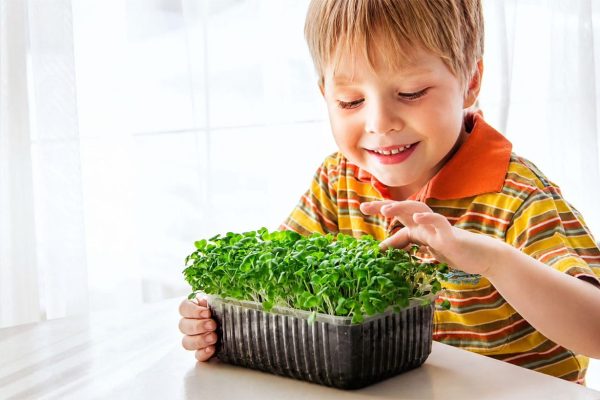
  • Indoors or Small Spaces: Utilize living walls, vertical hanging planters, or a simple sunny windowsill. Herbs, microgreens, and small salad greens thrive indoors.
2 copy

Pick Easy-to-Grow, Kid-Friendly Plants 

To keep children engaged, pick plants that grow quickly, have large seeds that are easy for small hands to hold, or produce fun, bite-sized food:
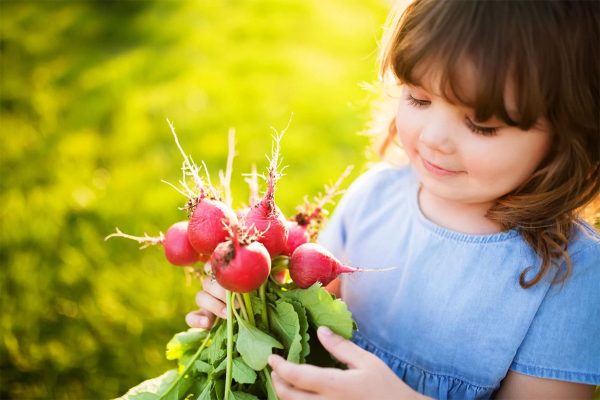
  • From Seed: Sunflowers, bush beans, peas, pumpkins, and radishes (radishes sprout in just a few days!). 

  • From Starter Plants (Seedlings): Cherry tomatoes, strawberries, mint, and basil. 
3 copy

Gather Your Kid-Friendly Tools 

Safety and fun go hand-in-hand. Grab a few basic supplies:
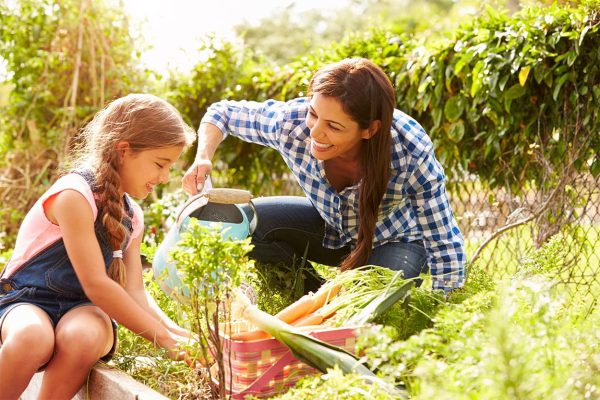
  • Small, lightweight watering cans (or plastic bottles with holes punched in the cap).

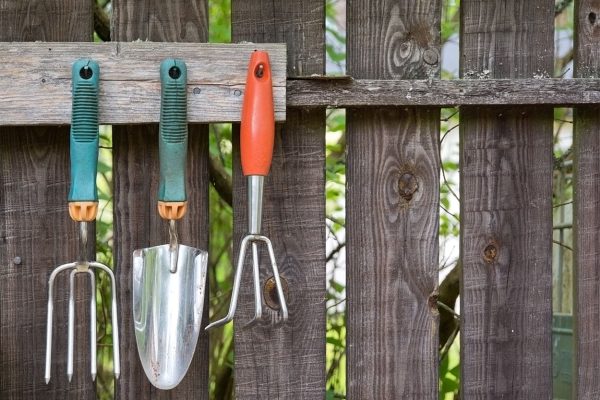
  • Child-sized gardening gloves and sturdy plastic or light metal trowels. 

  • Colourful markers or painted stones to label what you have planted. 
4 copy

Give Kids Ownership 

Assigning age-appropriate “jobs” keeps kids proud and invested in the garden:

  • Help little ones scoop the soil and drop the seeds into the holes.
  • Give older kids the daily responsibility of checking the soil moisture and watering the plants.
  • Encourage kids of all ages to keep a garden journal. Younger ones can draw simple pictures and older kids can log detailed stats like growth measurements, weather conditions, and harvest dates.

Fun Nature & Food Activities to Do Together 

Hands-On Gardening & Active Projects 

  • The Bean Lab / Seed Race: Plant different types of beans in clear plastic cups with wet paper towels. Track and chart daily root growth and shoot heights to see which variety grows fastest.
  • Container Pizza Gardening: Plant cherry tomatoes, basil, and oregano together in a single large pot to grow your own “pizza toppings” and see the harvest cycle firsthand.
  • The Five-Senses Taste Test: Gather a variety of colourful fruits and vegetables. Have kids close their eyes and guess the food using taste, smell, and texture to start a conversation about healthy eating.
  • DIY Bird Feeders: Coat pinecones in sunflower seed butter, roll them in birdseed, and hang them near a window to observe and count local wildlife.
  • Backyard Bio-Blitz: Give kids a magnifying glass and a notebook. Challenge them to map a small 1-metre square of the yard, identifying and listing every insect, plant, and weed they find.
  • Kitchen Waste Composting: Set up a small countertop worm bin or compost bucket. Let kids manage feeding the kitchen scraps and learn how organic waste transforms into rich, healthy soil. 

Food Journeys 
& Environmental Explorations 

  • Seed Space Discovery: Talk about the many unexpected places seeds can grow! Look around together and discuss how plants can thrive anywhere from a classroom windowsill or a sunny balcony container to backyards, greenhouses, and large farms.
  • Seed-to-Table Tracking: Pick a favourite vegetable or fruit from your kitchen. Trace its entire journey together backwards—from the serving on your dinner table, to the grocery store, to the delivery truck, to the farm, and back to the tiny seed it started as.
  • Market & Grocery Explorers: Visit a local farmers’ market or grocery store together. Look at the fresh produce and talk about what happens to plants after they are harvested, cleaned, packed, and shipped.
  • Local Farm Field Trip: Visit a local working farm. Ask questions to learn how plants are grown and harvested as large-scale crops, and get a firsthand look at how a modern farm operates.
  • Kitchen Pantry Detectives: Check the products in your own kitchen together. Search for and learn about various nutrition and agricultural labels—such as “Certified Organic” or “Non-GMO Project Verified”—to discover what they actually tell us about our food.
  • Eco-Food Conversations: Sit down for a chat about big-picture food concepts. Talk about eating locally, the rise of backyard and urban farming, and how our daily food choices can directly reduce our overall environmental impact. 

Fun More Fun and Educational Resources

( all free-of-charge : )

Visit Our Kids Corner

Enjoy interactive learning and screen time you can feel good about. 

  • Inspiring Videos: Watch short, uplifting clips featuring positive quotes and fun animal facts.
  • Step-by-Step Drawing: Simple tutorials that teach kids how to draw cool plants and animals.
  • Print-and-Play Fun: Download free colouring pages and word puzzles.
  • Educational Activity Sheets: Fun worksheets covering pollinators, plant parts, and seed saving. 
download free pdfs copy

Download Free PDF 
Storybooks & Workbooks

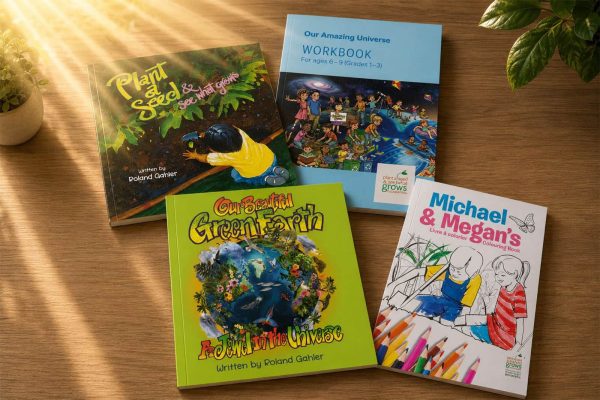
Introduce children to planting seeds, discovering where food comes from, and exploring our amazing universe. Resources includes:

  • 3 Storybooks
  • Companion Workbooks filled with activities based on each story
  • A Creative Colouring Book featuring characters from the books 
local schools copy

Bring Our Programs to Your Local School 

Would you to help bring one of our programs to your local school? Please share the links below with your child’s teacher:
  • Classroom Resource Kits: Free-of-charge storybooks, workbooks, and seeds for Kindergarten to Grade 3 classes.
  • School Garden Funding: Grants to help schools start a new garden or expand an existing one.

“Here’s to muddy hands, happy hearts, and the joy of watching the children in your life grow alongside nature.”