Ce que les enfants peuvent apprendre des feuilles d'automne
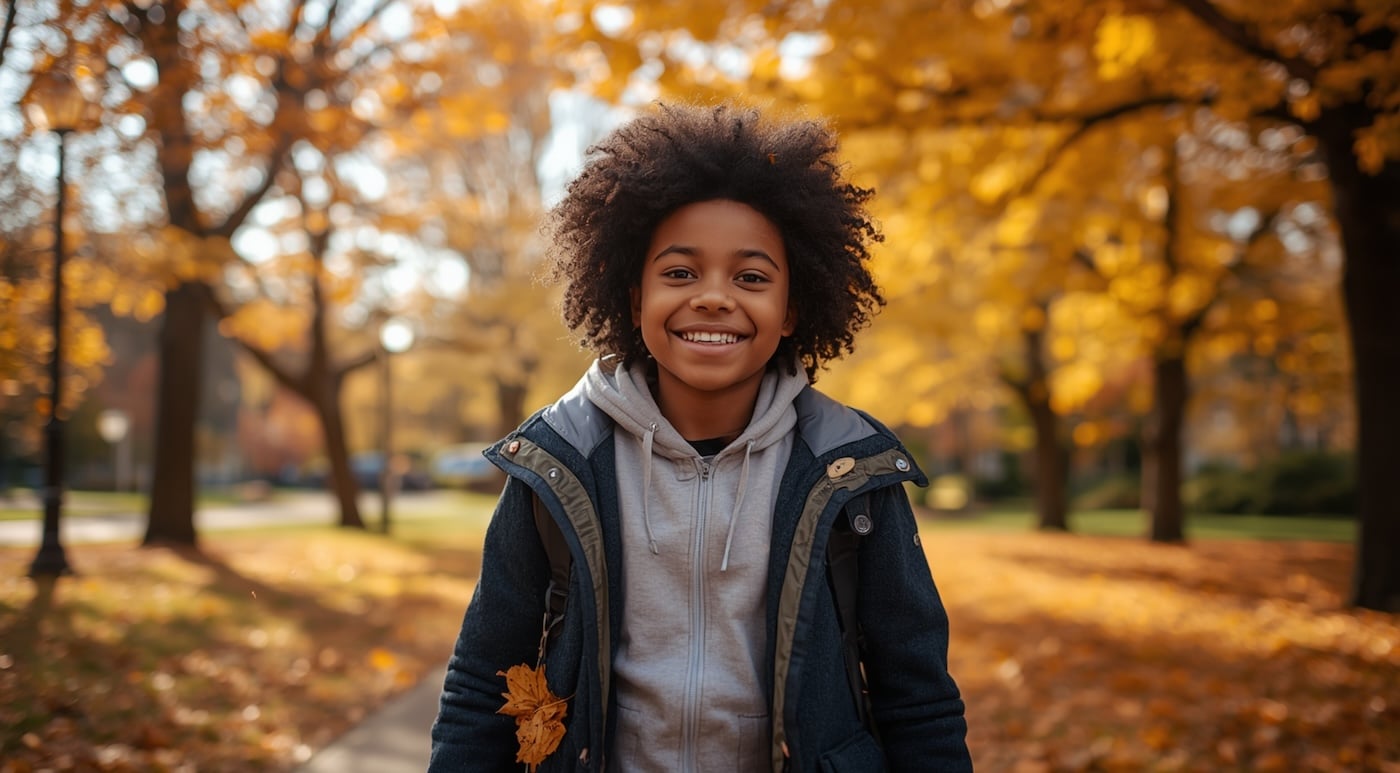
L'automne offre une occasion presque sans pareille d'apprentissage en plein air, en particulier ici au Canada, où le changement de saison transforme les forêts, les parcs, les sentiers et même les rues des quartiers en salles de classe vivantes. Alors que les feuilles d'innombrables espèces d'arbres et d'autres formes de flore se parent de nuances spectaculaires de jaune, d'orange, de rouge et de brun avant de finir par se détacher et de tomber au sol, les enfants découvrent une collection sans cesse renouvelée de curiosités naturelles juste à leur porte. Pour les parents qui acceptent de ralentir le rythme, Rangez les écrans de la maison, ouvrez la porte moustiquaire et partez à la découverte des grands espaces avec vos enfants, une simple promenade d'automne peut se transformer en une extraordinaire expérience d'apprentissage — une expérience où la nature fournit le sujet et la curiosité, le plan de cours.
Il y a, bien sûr, les leçons scientifiques évidentes à découvrir : pourquoi les feuilles changent de couleur, ce qui pousse les arbres à cesser de produire de la chlorophylle, pourquoi les feuilles finissent par tomber et ce qu'il advient d'elles une fois qu'elles atteignent le sol de la forêt. Mais l'automne a bien plus à enseigner que la seule biologie. Sous ces canopées colorées se trouvent des leçons sur le changement, l'adaptation, les cycles, le renouveau, l'interdépendance et la remarquable façon dont les êtres vivants réagissent à leur environnement. Un enfant qui observe un arbre abandonner ses feuilles peut commencer à comprendre que le changement n'est pas nécessairement une fin, que lâcher prise peut faire partie de la croissance, et que la nature fonctionne par le biais de cycles continus plutôt que de rester immobile. Ce sont des concepts que les enfants peuvent emporter bien au-delà de la forêt, en appliquant ce qu'ils observent dans la nature à leur propre vie en évolution et à leur place dans le monde plus vaste qui les entoure.
L'article ci-dessous va au-delà de la science de l'automne pour explorer certaines de ces leçons plus profondes et, espérons-le, inspirer les parents à profiter au maximum de cette saison canadienne éphémère en emmenant leurs enfants dehors pour de fréquentes promenades, des observations et de petites découvertes. Parfois, les leçons les plus riches de sens commencent simplement par franchir la porte et prêter attention.
Quatre leçons précieuses à tirer en emmenant votre enfant observer et interagir avec les feuilles d'automne tombées
Relier les concepts au cycle de vie des feuilles
Lorsque les enfants découvrent un tapis de feuilles mortes sous les arbres cet automne, ils regardent bien plus que les simples vestiges de l'été. Ils sont témoins d'une petite partie d'un cycle naturel — un processus qui a commencé par l'apparition d'une feuille au printemps, qui s'est développé tout au long de l'été, qui a changé à mesure que les jours raccourcissaient et que les températures baissaient, et qui est finalement tombée au sol où elle se décomposera pour restituer des nutriments à la terre. Cette simple progression peut devenir l'initiation à l'un des concepts les plus importants de la nature : La vie est cyclique. On peut observer le même principe dans les fleurs qui s'épanouissent et se fanent, les insectes qui émergent et disparaissent, les oiseaux qui migrent et reviennent, et d'innombrables autres processus naturels qui passent continuellement d'une étape à une autre.
Une fois que les enfants commencent à reconnaître les cycles de la vie dans la nature, ce concept peut devenir une façon fascinante de comprendre leur propre monde. Les activités qu'ils aiment peuvent commencer, évoluer, atteindre leur apogée et finalement faire place à quelque chose de nouveau ; une idée peut naître d'une simple pensée, se développer grâce à l'imagination et à l'expérimentation, et devenir quelque chose de complètement différent. Même la vie d'un enfant traverse constamment des étapes d'apprentissage, de changement, de croissance et de découverte. En ce sens, la feuille morte peut représenter bien plus que la fin d'une saison. Elle peut aider les enfants à comprendre que les fins peuvent faire de la place pour des commencements, que le changement fait partie intégrante de l'existence, et que les choses que nous créons, vivons et aimons peuvent avoir leurs propres cycles de vie. Les cycles de la nature se déroulent tout autour de nous — et, à bien des égards, nous y participons plutôt que d'en être de simples observateurs.
Les parents n'ont pas besoin de transformer cela en une leçon formelle. Lors d'une promenade automnale dans la nature, le simple fait de pointer du doigt une feuille tombée et de demander à un jeune enfant d'où il pense qu'elle vient, ce qui lui est arrivé et ce qui pourrait se passer ensuite peut ouvrir la porte à ces idées plus vastes.
Identifier la flore par ses feuilles mortes
Identifier les arbres et autres plantes grâce à leurs feuilles mortes peut transformer une promenade d'automne ordinaire en un exercice scientifique étonnamment enrichissant. Même après qu'une feuille s'est détachée de son arbre, sa forme, ses bords, ses nervures, sa taille, sa couleur et sa structure globale peuvent fournir des indices sur son origine. Les enfants peuvent comparer les feuilles qu'ils découvrent sur le sol, observer de près les différences entre les espèces, puis chercher les arbres au-dessus d'eux qui les ont produites. Ce faisant, ils développer des compétences d'observation tout en s'initiant aux pratiques de base de la classification et de l'identification utilisées par les scientifiques : observer les caractéristiques, comparer des spécimens, reconnaître des motifs et utiliser ces observations pour arriver à une conclusion. Ce qui commence par “ De quel type d'arbre cette feuille vient-elle ? ” peut devenir une véritable petite enquête.
Plus important encore, le processus d'identification d'une feuille peut enseigner aux enfants un mode de pensée qui va bien au-delà de la nature. Apprendre à reconnaître des caractéristiques distinctives est utile dans pratiquement tous les domaines de la découverte, qu'un enfant se passionne par la suite pour les insectes, les roches, les oiseaux, l'astronomie, le sport, l'art, la musique ou la collection d'objets qu'il trouve intéressants. Un jeune ornithologue apprend à distinguer les espèces par leurs chants, leurs marques et leur comportement ; un artiste en herbe apprend à remarquer la forme, la proportion et la couleur ; un scientifique en herbe apprend à identifier des schémas que d'autres pourraient négliger. La compétence sous-jacente est la même : regarder de près, remarquer les différences, poser des questions et utiliser des preuves pour comprendre ce que l'on voit. Une feuille tombée devient donc bien plus qu'un simple objet à identifier : elle devient une première leçon sur la manière dont la curiosité peut transformer l'observation en savoir.
Lors d'une promenade automnale, les parents peuvent y encourager naturellement en ramassant deux feuilles différentes et en demandant à leur enfant : “ Qu'est-ce qui est différent, selon toi ? ” À partir de là, une simple comparaison peut se transformer en une petite enquête et peut-être au début d'une habitude ancrée pour la vie d'observer le monde d'un peu plus près.
La valeur de la collecte de feuilles sans endommager la nature
Ramasser quelques feuilles mortes peut être une merveilleuse façon pour les enfants d'interagir avec la nature, à condition qu'ils apprennent une distinction importante : Prendre quelque chose dans la nature n'est pas la même chose que de tenir la nature pour acquise..
Un enfant peut ramasser une poignée de feuilles mortes, examiner leurs couleurs et leurs formes, les presser dans un journal de la nature ou les utiliser pour un projet artistique simple tout en apprenant à laisser les plantes, fleurs et branches vivantes intactes. La leçon consiste réellement à utiliser ce que la nature offre généreusement plutôt qu'à prendre plus que nécessaire. Il y a une merveilleuse parallèle avec le monde réel à Hawaï, où les artisans du bois et les créateurs façonnent des meubles, des œuvres d'art et d'autres objets à partir de bois locaux tout en reconnaissant l'importance de respecter la forêt. Le koa et les autres bois hawaïens revêtent une valeur écologique et culturelle importante, et l'on trouve des exemples d'artisans qui travaillent avec du bois de récupération ou des arbres tombés naturellement plutôt que de simplement abattre des arbres vivants pour obtenir de la matière. Cette idée prend tout son sens lorsque les enfants apprennent que certaines espèces indigènes et endémiques d'Hawaï sont rares ou vulnérables et que la collecte responsable peut impliquer des permis et des restrictions strictes.
Cette petite leçon sur les feuilles peut finir par déborder sur des domaines de la vie qui n'ont rien à voir avec les forêts. Un enfant qui apprend à ne prendre que ce qui est disponible et à laisser intact l'environnement vivant commence à comprendre l'idée plus large du respect des ressources et de la notion de modération. La même logique peut s'appliquer lorsqu'on partage du matériel avec des camarades de classe, qu'on emprunte quelque chose à un ami, qu'on rassemble des informations pour un projet scolaire ou même qu'on s'adonne à un loisir : apprécier ce qui est disponible, en faire un usage réfléchi, et éviter de consommer ou de prendre simplement parce qu'on le peut. De cette façon, quelques feuilles colorées ramassées sur le sol peuvent introduire une idée bien plus vaste — à savoir que notre relation avec le monde doit impliquer de la curiosité et de la participation, mais aussi de la retenue, de la gratitude et du respect pour les choses qui nous permettent de participer en premier lieu.
Les parents peuvent introduire l'idée lors d'une promenade d'automne en demandant simplement aux enfants quelles feuilles ils pensent qu'il convient de ramasser – et pourquoi. Une poignée de feuilles tombées peut alors devenir une douce leçon sur la manière de profiter de la nature sans lui porter préjudice.
La valeur de laisser les feuilles en place aussi
La leçon de la collecte minutieuse des feuilles mène naturellement à une autre idée importante : parfois, la meilleure façon d'apprécier quelque chose de la nature est de le laisser exactement là où on l'a trouvé.
Un enfant qui vient d'apprendre que ramasser quelques feuilles mortes est tout à fait acceptable si cela est fait de manière responsable peut aussi apprendre que le sol de la forêt a, lui aussi, besoin de ses feuilles. Les feuilles mortes font partie du système de recyclage naturel, se décomposant progressivement pour restituer de la matière organique et des nutriments au sol. Elles peuvent également offrir un abri et un habitat aux insectes, araignées, amphibiens et autres petits animaux qui dépendent de la litière de feuilles pour se protéger des intempéries et des prédateurs. Ce qui peut sembler à un enfant comme un tas de feuilles mortes est en réalité un petit écosystème très actif et une partie importante du cycle continu de renouveau de la forêt. En d'autres termes, la nature a un dessein, même pour les choses qui semblent avoir achevé leur vie utile.
Cette prise de conscience peut s'intégrer étonnamment bien dans la vie jeune et en évolution d'un enfant. Les enfants ont naturellement envie de collectionner, de conserver et de contrôler les choses qui les intéressent, mais apprendre que certaines choses méritent d'être laissées tranquilles introduit les notions tout aussi importantes de retenue, patience et le respect de processus qui les dépassent. Un enfant peut apprendre qu'il vaut mieux laisser une chenille tranquille plutôt que de la ramener à la maison, ou qu'il est plus utile de laisser le temps à un jeune plant de grandir plutôt que de le déterrer sans cesse pour voir ce qui se passe. Le même principe peut fin par s'appliquer aux amitiés, aux projets créatifs et aux objectifs personnels : tout n'a pas besoin d'être géré, modifié ou précipité simplement parce que nous sommes curieux du résultat. Parfois, la croissance se produit précisément parce que nous donnons à quelque chose l'espace nécessaire pour se développer de lui-même.
Lors d'une promenade d'automne, les parents peuvent soulever délicatement une couche de feuilles et montrer aux enfants la minuscule vie qui se cache en dessous, en leur expliquant que les feuilles ne sont pas simplement là par hasard, mais qu'elles ont un rôle à jouer. Cette simple découverte peut aider un enfant à voir le sol de la forêt comme quelque chose de vivant plutôt que comme quelque chose à nettoyer.
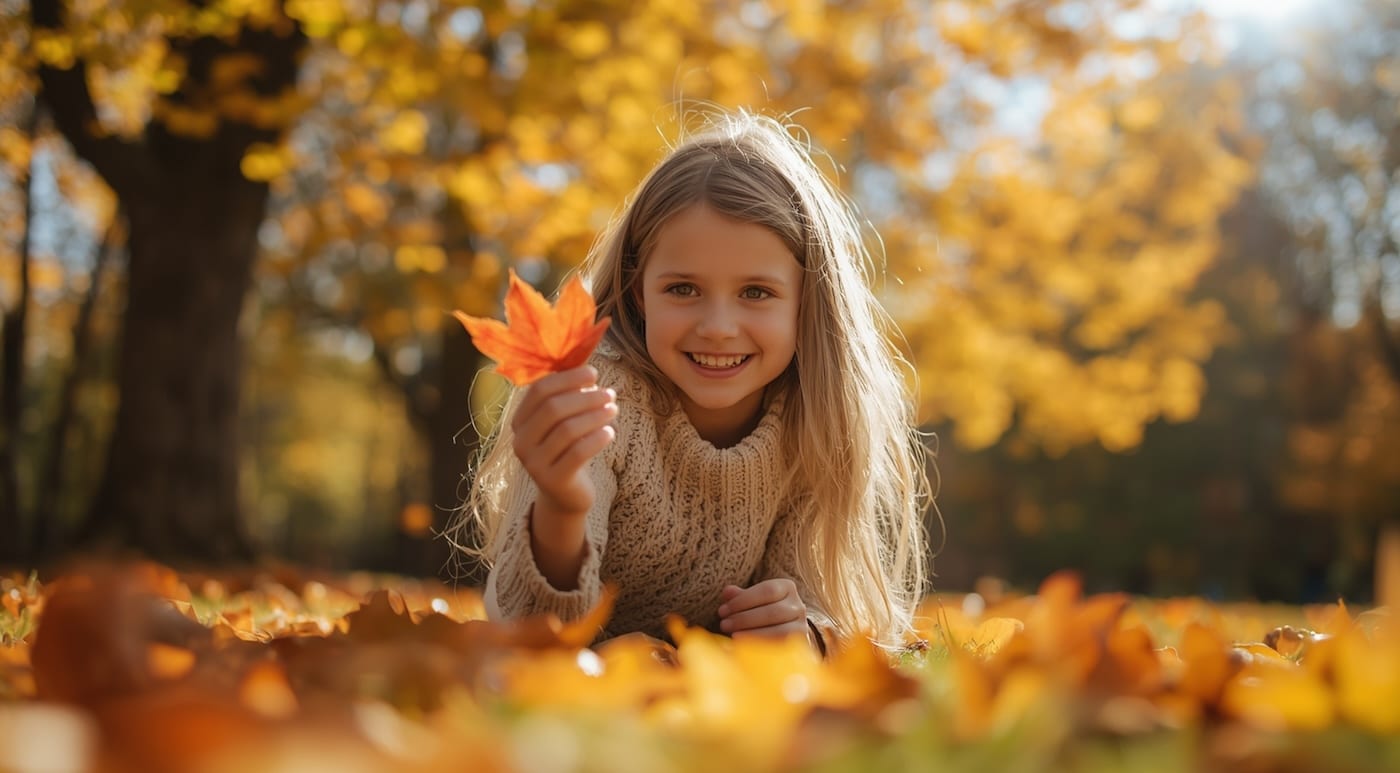
Nous espérons que l'article ci-dessus vous inspirera, vous et votre enfant, à explorer davantage la nature en plein air cet automne. Entre-temps, veuillez noter que la fondation Planter une graine et voir ce qui pousse se consacre à aider les enfants de tout le Canada à devenir des individus en santé, résidents et branchés sur l'environnement grâce à des expériences d'apprentissage significatives. Si vous partagez notre vision, nous vous invitons à soutenir notre mission et découvrez les nombreuses façons dont vous pouvez nous aider à semer les graines pour que la prochaine génération puisse s'épanouir.