
Le savoir réduit les piqûres de moustiques pour les enfants à travers le Canada
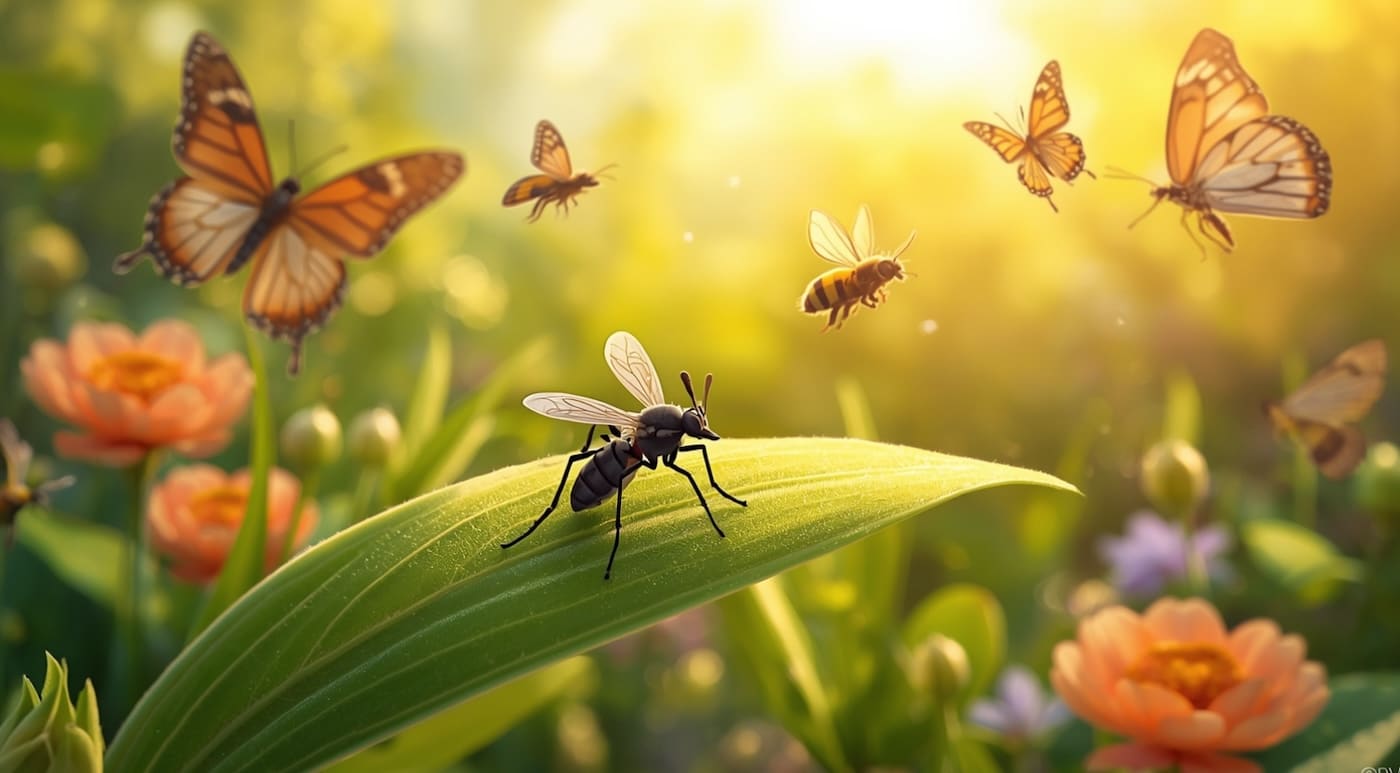
Ce 20 août marque Journée mondiale du moustique, une commémoration annuelle reconnue au Canada et partout dans le monde, qui sert de rappel utile que les moustiques sont des insectes remarquablement complexes. Bien que l'événement puisse être accueilli avec beaucoup plus d'enthousiasme (un eufemisme) dans certains endroits que dans d'autres, les résidents de régions propices aux moustiques telles que le Manitoba, la Saskatchewan, l'Alberta et l'Ontario pourraient être pardonnés de se demander ce qu'il y a exactement à célébrer. En fait, le Manitoba connaît actuellement une activité de moustiques particulièrement intense, ce fait de consacrer une journée entière à ces petits suceurs de sang persévérants absurde. Pourtant, c'est peut-être précisément ce qui rend la Journée mondiale du moustique utile : elle offre aux parents canadiens l'occasion de transformer cette journée en une leçon pour les enfants sur le rôle souvent mal compris que jouent les moustiques dans la nature. Comme la plupart de la faune, les moustiques font partie d'un écosystème beaucoup plus vaste. Apprendre que même un insecte que nous écrasons et vaporisons désespérément pour l'éloigner tout au long de l'été a sa place dans le monde naturel peut être une leçon étonnamment précieuse, qui va bien au-delà des moustiques et rappelle aux enfants que la nature n'a pas besoin d'être aimable, pratique ou même particulièrement agréable pour mériter notre respect.
L'article ci-dessous explorera certains des avantages inattendus que les moustiques apportent aux écosystèmes du Canada et pourquoi ces insectes notoirement agaçants méritent peut-être qu'on y regarde à deux fois. Ils n'obtiendront peut-être jamais la même admiration que les abeilles, dont la réputation de pollinisateurs essentiels en a fait une sorte de célébrité parmi insectes utiles, mais comprendre ce que les moustiques apportent à la chaîne alimentaire — et aux environnements dans lesquels ils vivent — peut nous aider à les apprécier un peu plus. Non, cela ne signifie pas qu'il faille inviter les moustiques au barbecue dans le jardin ; il s'agit plutôt de reconnaître que chaque être vivant a un rôle à jouer, même lorsque ce rôle consiste parfois à bourdonner près de votre oreille à 2 heures du matin. Et c'est peut-être la plus grande leçon que la Journée mondiale du moustique peut offrir aux enfants : apprécier la nature ne signifie pas nécessairement aimer tout ce qu'elle contient — parfois, cela signifie simplement comprendre pourquoi elle y a sa place.
Leçons sur les moustiques que les enfants du Canada ont hâte d'apprendre
Découvrir que les moustiques sont aussi des pollinisateurs
Il est peut-être temps de mettre à jour notre liste de Les pollinisateurs que vos enfants ne connaissaient pas pour inclure les moustiques car ils méritent très certainement d'y figurer. Un certain nombre d'espèces de moustiques (il y a environ 82 espèces au Canada) se nourrissent du nectar des fleurs et transfèrent le pollen lorsqu'ils se déplacent d'une plante à l'autre. Les moustiques peuvent visiter une variété de plantes à fleurs, en particulier celles qui prospèrent dans les zones humides et les environnements nordiques canadiens, notamment orchidées, asters, verge d'or et d'autres fleurs sauvages indigènes. Bien qu'ils ne soient certainement pas aussi célébrés que les abeilles, les papillons ou les colibris, leur contribution rappelle une fois de plus que la pollinisation est un travail d'équipe impliquant bien plus de créatures que nous ne le pensons généralement. Pour les enfants, découvrir que le moustique qu'ils veulent instinctivement écraser peut aussi aider les plantes à se reproduire offre une leçon d'écologie précieuse : même les créatures les plus petites et les moins aimées peuvent jouer un rôle significatif pour maintenir les paysages naturels du Canada — et les belles plantes, fleurs et aliments qui y sont liés — en bonne santé et florissants.
Savoir qu'ils nourrissent les animaux que vos enfants adorent
Les moustiques constituent également un élément important du régime alimentaire d’une variété surprenante d’animaux sauvages. Les larves de moustiques servent de nourriture aux poissons, aux têtards, aux larves de libellules et à d’autres créatures aquatiques, tandis que les moustiques adultes sont dévorés par des oiseaux insectivores, des chauves-souris, des libellules et d’autres créatures. Cela signifie que certains des animaux que les enfants ont tendance à trouver adorables – notamment les petites chauves-souris brunes, les rainettes, les hirondelles et les mésanges – peuvent tirer profit de la présence des moustiques. C’est là une autre leçon merveilleusement contre-intuitive pour les enfants : le même insecte qui semble n’exister que pour gâcher un séjour en camping peut contribuer à la survie d’animaux qu’ils adorent, ce qui montre à quel point les réseaux trophiques du Canada sont réellement interconnectés.
Bien que les scientifiques n'aient pas démontré qu'un nombre réduit de moustiques nuit automatiquement à la santé de la faune canadienne, la recherche démontre à quel point la connexion entre les populations de moustiques est importante pour les écosystèmes qui les entourent. Des chercheurs étudient la biodiversité des moustiques souligner que des changements dans une partie d'un écosystème peuvent affecter les relations complexes entre les moustiques, les oiseaux, les mammifères et d'autres espèces. Des recherches sur les populations de moustiques ont également révélé que d'importants changements d'origine humaine — notamment l'utilisation de produits chimiques et l'urbanisation — peuvent altérer considérablement l'abondance des moustiques et la composition des communautés, avec des conséquences potentiellement considérables pour les communautés animales. Pour les enfants, la leçon à retenir n'est pas que le Canada a besoin de chaque moustique pour prospérer en nombre illimité, mais que la suppression d'un élément de la nature qui semble insignifiant peut avoir des conséquences difficiles à prévoir — une leçon importante montrant pourquoi les écosystèmes canadiens sains dépendent de la biodiversité et de l'équilibre.
Découvrir des remèdes naturels pour empêcher les moustiques de piquer
Tout ce que les parents peuvent faire pour réduire l'exposition inutile aux produits chimiques de synthèse peut constituer une leçon précieuse pour les enfants, et les moustiques offrent un exemple concret presque parfait de la manière dont la nature peut parfois proposer des solutions de rechange aux défis qu'elle présente. Bien entendu, les moustiques au Canada s'apprécient mieux à une distance confortable ; ils ont la fâcheuse habitude de transformer les barbecues estivaux, les sorties en camping et même une nuit de sommeil paisible en un test d'endurance jalonné de démangeaisons. Plutôt que d'apprendre aux enfants que chaque nuisance doit être réglée par le produit chimique le plus puissant disponible, les parents peuvent toutefois profiter de la saison des moustiques pour leur présenter des moyens simples et naturels de rendre leur environnement moins accueillant pour ces nuisibles tenaces. C'est une leçon qui peut s'étendre bien au-delà des moustiques : parfois, avant de recourir à une solution fabriquée, il vaut la peine de se demander quelles plantes, quelles habitudes ou quelles autres approches naturelles pourraient aider.
Pour une approche naturelle et adaptée aux enfants à la maison, commencez par rendre le jardin moins attrayant pour les moustiques en vidant l'eau stagnante des seaux, des soucoupes de pots de fleurs, des jouets et autres conteneurs où ils peuvent se reproduire. Autour des patios et des aires de jeux extérieures, les familles peuvent également cultiver des herbes fortement parfumées telles que lavande, basilic, menthe, romarin et mélisse, tout en utilisant des feuilles froissées ou leurs parfums comme un doux rappel que les plantes ont leurs propres défenses. Pour leur protection personnelle, les enfants peuvent aider fabriquer un spray aux herbes simple en combinant de l'eau refroidie avec une petite quantité de hamamélis et quelques gouttes d'huiles essentielles correctement diluées telles que citronnelle ou lavande. Ils peuvent mettre ces articles en bouteille pour les utiliser à la maison et pourraient même être en mesure de les vendre sur un marché de producteurs locaux!
Petite note de sécurité pour les parents de jeunes enfants : les huiles essentielles sont hautement concentrées, il est donc préférable de laisser un adulte s'occuper du dosage et du mélange avant de verser le tout dans un flacon pulvérisateur, un diffuseur ou tout autre récipient. Les enfants peuvent toujours participer au plaisir en aidant à choisir les parfums, à décorer les bouteilles et à apprendre comment fonctionnent les ingrédients, mais laissez la manipulation des huiles essentielles aux adolescents et aux adultes, et suivez toujours les instructions de dilution et de sécurité.
La prochaine fois que vos enfants entendront quelqu'un s'exclamer, “À quoi servent les moustiques ?” ou “ Pourquoi diable les moustiques existent-ils seulement ? ”, ils seront prêts à enseigner à leurs camarades de classe, à leurs enseignants et à tous ceux qui voudront bien les écouter un peu plus sur ces créatures incomprises, ainsi que sur leur place dans le monde complexe et interconnecté que nous partageons tous.