
Explorant les aliments sauvages au Canada
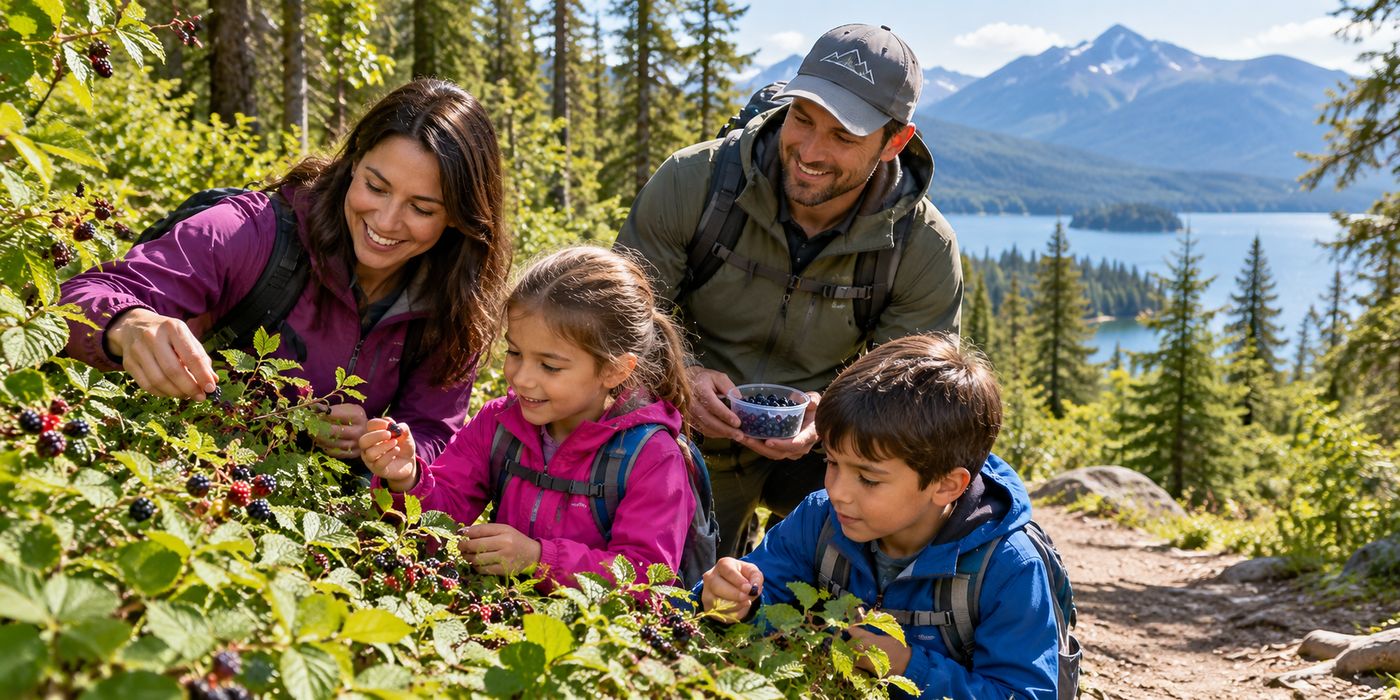
At press time, Wild Foods Day is just around the corner, offering Canadians an opportunity to celebrate nature’s remarkable abundance of edible plants, fruits, berries, nuts, mushrooms, and other foods that grow naturally without conventional farming or cultivation. Although the observance has no definitively documented founder, its origins are commonly associated with American naturalist and wild food enthusiast Euell Gibbons, whose influential 1962 book Stalking the Wild Asparagus (look for it at your local book seller) helped introduce generations of readers to the art of identifying, harvesting, and preparing foods found in nature. References to Wild Foods Day began appearing regularly in publications around 1974, with October 28 eventually becoming its recognized annual date. Beyond celebrating the nutritional and culinary possibilities of wild ingredients, the occasion encourages environmental awareness, sustainable harvesting, biodiversity conservation, and a greater appreciation for traditional food-gathering knowledge, including practices maintained by Indigenous communities for thousands of years. The broader wild foods movement is also gaining popularity across Canada, where growing interest in sustainable living, locally sourced ingredients, and outdoor recreation has inspired more Canadians to explore foraging workshops, guided nature walks, and farm-to-table alternatives that begin in forests, meadows, and other natural landscapes.
While the vast majority of Canadian households are accustomed to purchasing their groceries from supermarkets and farmers’ markets, or perhaps growing their own fruits and vegetables in backyard gardens and organized community plots, an entirely different world of naturally occurring food exists just beyond the familiar boundaries of our cities and towns. From wild blackberries growing along woodland trails to edible greens flourishing in open meadows, nature provides a fascinating introduction to how food can grow and thrive without human cultivation. For families with children, discovering this often-overlooked abundance presents an incredible opportunity to combine outdoor adventure with valuable lessons about ecosystems, plant life cycles, food origins, environmental responsibility, and the importance of respecting nature. With proper supervision and guidance from knowledgeable local experts, children can also begin learning how to distinguish edible plants from potentially harmful species while developing an appreciation for responsible foraging. In celebration of Wild Foods Day, the article below explores three fun and educational learning activities that Canadian families can enjoy together, transforming an ordinary outing into a memorable experience that encourages curiosity, strengthens family bonds, and helps children see the natural world from an entirely new perspective.
Fun Learning Experiences Involving Wild Fruits, Vegetables, and Fungi for Family Households to Explore in Canada
Wild Food Foraging Around a Forest Trail Near You
Canada’s vast network of forests, woodland trails, and natural green spaces provides families with countless opportunities to discover foods growing in the wild, often just a short drive from their own neighbourhoods. Depending on the region and season, these landscapes can produce an impressive variety of edible fruits, leafy greens, roots, and fungi that have been gathered by Indigenous peoples for generations. In British Columbia and throughout the Pacific Northwest, wild blackberries, salmonberries, salal berries, and huckleberries can be found in suitable habitats, while Saskatchewan, Manitoba, et Alberta are known for wild Saskatoon berries, chokecherries, and wild strawberries. Moving eastward, Ontario et Québec offer opportunities to discover wild raspberries, blueberries, and serviceberries, while Atlantic Canada’s forests and coastal landscapes are particularly well known for wild blueberries, blackberries, and cranberries. Beyond fruit, certain edible plants, including common dandelion greens, young stinging nettles (which require proper cooking), and lamb’s quarters, can also be found across various Canadian regions. These naturally occurring foods provide a fascinating glimpse into the diversity of Canada’s ecosystems and the different ways plants have adapted to local climates and growing conditions.
Wild mushrooms add another exciting dimension to forest foraging, with edible varieties such as golden chanterelles found in parts of British Columbia, morels appearing in suitable woodland habitats across much of Canada, and lobster mushrooms growing in forests from the Pacific coast to Eastern Canada. However, the ability to identify which wild foods are safe to eat is arguably the most important lesson parents can teach their children during a foraging adventure. Many edible berries, plants, and mushrooms have poisonous lookalikes, and even experienced foragers must exercise considerable caution when identifying unfamiliar species. Before heading outdoors, parents should invest time in learning about local vegetation, consulting reliable regional field guides, and ideally participating in a guided foraging experience led by a qualified naturalist or mycologist. Children should understand that colourful berries and unusual mushrooms are not automatically edible, and that no wild food should ever be tasted without positive identification and adult approval. In particular, mushrooms should never be consumed based solely on photographs, smartphone identification apps, or general descriptions, as mistakes can result in serious poisoning. Families should also check local harvesting regulations, avoid contaminated areas, and respect protected habitats.
For parents hoping to make the experience especially engaging for younger children, consider transforming an ordinary forest walk into a Wild Food Treasure Hunt, where the objective is to discover and identify as many different naturally occurring foods as possible rather than collecting or eating them. Before leaving home, prepare a colourful checklist featuring pictures of locally occurring berries, edible plants, and mushrooms, along with a few interesting facts about each species. Children can earn points for spotting potential matches, taking photographs, describing their colours and shapes, and recording where they were found. Parents can even introduce playful challenges, such as identifying which plants provide food for birds and wildlife or guessing how different berries change throughout the seasons. Any discoveries should remain strictly observational unless a qualified expert has confirmed their identity and harvesting is permitted. At the end of the adventure, families can review their photographs together, compare them with trusted identification resources, and celebrate their discoveries with a picnic featuring familiar, store-bought berries and other foods. It’s a simple way to turn Wild Foods Day into an entertaining outdoor classroom while nurturing curiosity, observation skills, and a lifelong appreciation for Canada’s natural environment.
Wild Food Foraging in City Centers Too?
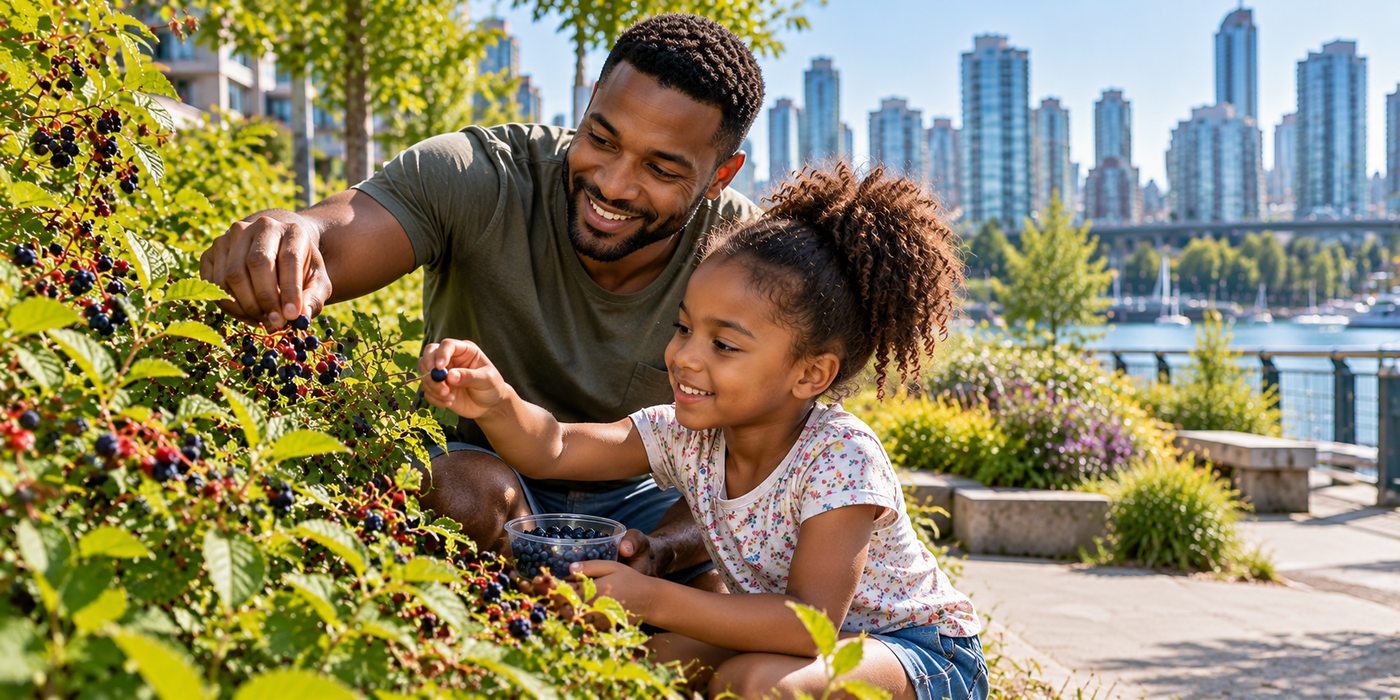
Who says wild food foraging has to be reserved for weekend excursions into the countryside? Even families living in Canada’s busiest urban centers of Vancouver, Montreal, and Toronto may be surprised to discover that a variety of edible plants, fruits, and berries grow naturally within city limits, often in places they pass by every day. From wild blackberries growing alongside Vancouver’s walking trails and dandelion greens appearing in Toronto’s neighbourhood parks to wild raspberries flourishing along Montreal’s green spaces and Saskatoon berries growing in Winnipeg’s naturalized areas, opportunities to discover wild foods can exist surprisingly close to home. Other examples include wild strawberries, chickweed, plantain leaves, and even certain edible mushrooms that occasionally appear in urban green spaces, vacant lots, and along recreational pathways. However, urban wild food foraging is best approached as an educational treasure hunt rather than an opportunity to collect ingredients for the family dinner table. Unlike more remote natural environments, urban soils and vegetation can be exposed to vehicle emissions, heavy metals, pesticides, pet waste, and other pollutants, making the consumption of wild foods potentially hazardous even when the species itself is edible. Parents should therefore encourage children to observe, photograph, and learn about their discoveries without picking or tasting anything. A simple afternoon walk through a neighbourhood park or along a nearby greenway can quickly become an exciting game of spotting potential wild foods, comparing their appearances, and learning how plants survive in the middle of a bustling city. Best of all, this accessible activity requires little more than comfortable walking shoes, a camera, and a healthy dose of curiosity, proving that families don’t necessarily have to venture far from home to celebrate Wild Foods Day and discover nature’s hidden treasures.
From Forest to Fork: A Wild Foods Cooking Adventure at Home

After exploring Canada’s forests and urban green spaces in search of naturally growing foods, why not bring the Wild Foods Day celebration into the family kitchen? Parents can take their children to a local farmers’ market or specialty grocery store to purchase safely harvested Canadian wild foods, such as wild blueberries and Saskatoon berries before working together to transform these ingredients into a delicious homemade meal or snack. From baking wild blueberry muffins to preparing Saskatoon berry pancakes, the possibilities are endless and delicious! Along the way, children can learn valuable lessons about nutrition, regional food traditions, seasonal ingredients, and basic cooking skills while gaining a greater appreciation for the foods nature provides. Best of all, this hands-on activity offers a fun and tasty conclusion to the family’s Wild Foods Day adventures, with everyone gathering around the table to enjoy the literal fruits of their labour!
We hope these Wild Foods Day activities inspire you and your child to explore nearby forest trails, discover nature’s hidden treasures in your own neighbourhood, and bring the experience home for a little kitchen creativity. Each adventure offers an opportunity to connect with nature, learn about the abundance of foods that grow naturally across Canada, and develop a deeper appreciation for the ecosystems that sustain them. The Plant a Seed & See What Grows Foundation is dedicated to helping children across Canada become healthy, resilient, and environmentally connected through meaningful learning experiences like these. If you share our vision, nous vous invitons à soutenir notre mission et découvrez comment vous pouvez aider à semer les graines pour que la prochaine génération puisse prospérer.