
Promenades le long des rivières comme expériences d'apprentissage en plein air
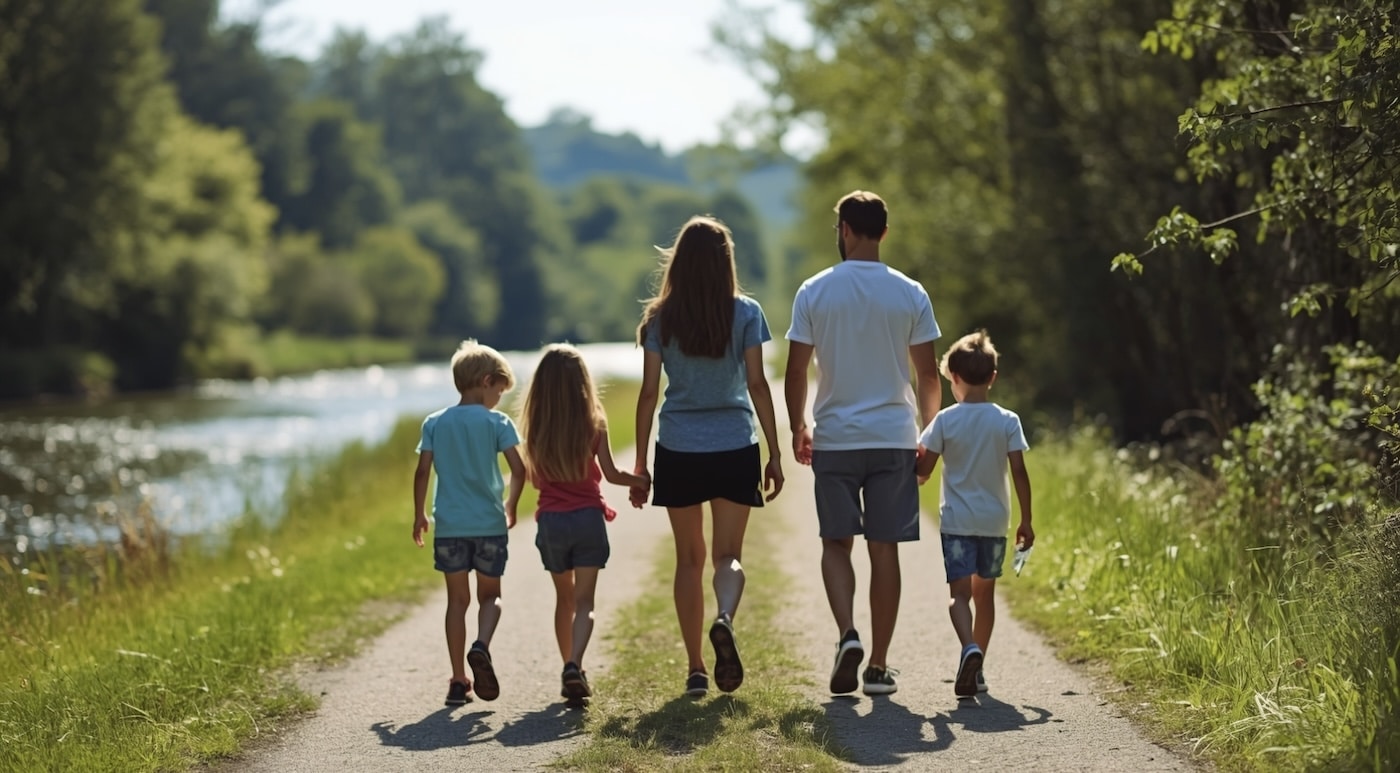
Journée mondiale des rivières est célébrée chaque année le quatrième dimanche de septembre, offrant aux gens du monde entier l'occasion de reconnaître l'importance des rivières et le rôle vital qu'elles jouent dans des écosystèmes et des communautés sains. Cet événement revêt une signification particulièrement spéciale ici au Canada, en particulier en Colombie-Britannique, qui abrite Plant a Seed & See What Grows, car ce qui a commencé comme La Journée des rivières de la Colombie-Britannique en 1980 a été fondée ici même par le conservationniste canadien Mark Angelo. Ce qui a commencé comme une initiative locale visant à encourager les gens à apprécier, protéger et mieux connaître les rivières de la Colombie-Britannique est finalement devenu une célébration mondiale en 2005, lorsque les Nations Unies ont officiellement reconnu la Journée mondiale des rivières. Aujourd'hui, cette journée sert de rappel de l'importance environnementale, culturelle et récréative des rivières tout en encourageant les communautés à jouer un rôle actif dans la protection de ces remarquables cours d'eau.
Pour les parents et les éducateurs, la Journée mondiale des rivières offre un prétexte idéal pour transformer une simple promenade au bord d'une rivière locale en classe en plein air. Plutôt que de simplement expliquer aux enfants pourquoi les rivières sont importantes, les emmener au bord de l'eau leur permet de constater par eux-mêmes comment les cours d'eau relient les forêts, les zones humides, la faune, les communautés et les humains, tout en leur donnant l'occasion d'observer de près les oiseaux et les insectes, les variations du niveau de l'eau, les plantes et les traces de l'impact humain. Une promenade au bord de l'eau peut devenir une leçon de biologie, de géographie, de conservation, d'histoire et même de météorologie, tout en offrant aux enfants l'occasion de bouger et de nouer un lien plus profond avec le monde naturel qui les entoure. L'article ci-dessous explore les nombreux bienfaits de la marche, de la randonnée, du jogging et du vélo le long des rivières locales avec vos enfants, et montre pourquoi ces aventures en plein air du quotidien peuvent devenir l'une des expériences d'apprentissage les plus enrichissantes qu'une famille ou une classe puisse partager.
Comment les promenades au bord de l'eau offrent des expériences d'apprentissage en plein air incroyables aux enfants À travers le Canada
Les promenades au bord de l'rivière peuvent enseigner aux enfants la chaîne d'approvisionnement
Une promenade au bord d'une rivière peut révéler aux enfants quelque chose qu'ils n'avaient peut-être jamais envisagé : les rivières sont les propres réseaux de transport de la nature. Alors que l'eau s'écoule vers l'aval, elle transporte des graines, des feuilles, des nutriments, des insectes et d'autres matières organiques d'un endroit à un autre, tandis que la rivière elle-même offre un chemin pour les poissons et autres animaux aquatiques pour se déplacer entre les habitats. Ce faisant, les rivières contribuent à distribuer les ressources dont dépendent les écosystèmes, reliant forêts, zones humides, lacs et communautés tout au long de leur parcours. Pour les enfants, cela constitue une introduction étonnamment concrète à l'idée fondamentale qui se cache derrière une chaîne d'approvisionnement : quelque chose est déplacé de son lieu d'origine vers son lieu de besoin, aidant ainsi les différentes parties d'un système plus vaste à fonctionner dans le processus.
Les parents et les enseignants peuvent rendre cette connexion particulièrement significative pour les jeunes enfants en soulignant ce que la rivière transporte et en posant des questions simples : “ D'où pensez-vous que vient cette feuille ? ”, “ Où l'eau l'emmène-t-elle ? ” ou “ Qu'est-ce qui pourrait avoir besoin de cette nourriture ou de cet nutriment en aval ? ” De là, il est facile de faire un parallèle avec les chaînes d'approvisionnement que les enfants côtoient chaque jour. Tout comme une rivière transporte naturellement des choses à travers le paysage canadien, les avions, les trains, les camions et les navires acheminent la nourriture, les vêtements, les jouets et d'autres biens des fermes, des usines et des entrepôts vers les communautés qui en ont besoin. Considérer une rivière comme le système de transport de la nature peut aider les enfants à comprendre que les chaînes d'approvisionnement ne se limitent pas à ce qui se passe en coulisses : elles nous entourent, et la nature déplace des ressources d'un endroit à un autre bien avant que les humains n'aient inventé les autoroutes, les voies ferrées ou les avions cargo.
Les nettoyages des berges enseignent la responsabilité environnementale
De la même manière que les rivières transportent des graines, des feuilles, des nutriments, des insectes et d'autres matières organiques bénéfiques d'un endroit à un autre, elles peuvent malheureusement transporter autre chose : les déchets, les rebuts et les ordures produits par les particuliers et les entreprises. Une bouteille en plastique jetée au bord d'une rivière dans une communauté peut finir par voyager en aval, pour éventuellement s'échouer dans une autre communauté ou pénétrer dans un écosystème très éloigné de son lieu d'origine. Ce qui peut sembler être un petit acte d'incivilité à un endroit peut donc devenir un problème beaucoup plus important ailleurs, affectant la faune, la qualité de l'eau, les loisirs et les personnes qui dépendent de cette rivière. Ainsi, les rivières offrent une illustration très concrète de la mesure à laquelle nos communautés et nos écosystèmes sont interconnectés. Cela fait d'une promenade au bord de l'eau une expérience d'apprentissage en plein air idéale, tout en offrant l'occasion de transformer une simple sortie en une leçon pratique sur la responsabilité environnementale.
Les parents et les éducateurs peuvent intégrer un petit nettoyage à la marche, beaucoup comme un nettoyage de plage, en donnant aux enfants des sacs pour les ordures, le recyclage et le compostage ainsi qu'un équipement de protection adapté à leur âge, tout en leur apprenant à éviter tout ce qui est coupant, dangereux ou autrement risqué à manipuler. Ensemble, familles et élèves peuvent ramasser les déchets appropriés le long de la berge et laisser le cours d'eau plus propre qu'ils ne l'ont trouvé. Au-delà du bienfait immédiat pour la rivière, l'expérience peut aider les enfants à comprendre que ce que font les gens à un endroit donné peut se répercuter dans tout un bassin versant, affectant potentiellement la faune et les communautés à des centaines de kilomètres en aval. Chaque déchet qu'ils ramassent devient une démonstration simple mais puissante que leurs actions peuvent faire une différence bien au-delà de l'endroit où ils se tiennent.
Pour les plus jeunes, les parents et les enseignants peuvent rendre la leçon encore plus significative en reliant ce qu'ils voient et font le long de la rivière à la notion plus vaste de la durabilité environnementale. Lorsqu'un enfant ramasse un emballage en plastique, par exemple, les parents et les enseignants peuvent lui demander où il aurait pu finir si la rivière l'avait emporté vers l'aval, ou lorsqu'ils trient un déchet dans un sac de recyclage, ils peuvent expliquer comment donner une nouvelle vie aux matériaux peut réduire la quantité de déchets qui pénètrent dans l'environnement. Les enfants peuvent également être encouragés à observer quelles parties de la rivière semblent en bonne santé, où vit la faune et comment les gens interagissent avec le cours d'eau. Ces observations simples contribuent à transformer la durabilité, d'un concept abstrait en quelque chose que les enfants peuvent voir, toucher et auquel ils peuvent participer, leur montrant ainsi que prendre soin de l'environnement ne se résume pas à protéger des forêts, des lacs et des océans lointains ; cela commence par la prise de responsabilité envers les endroits que nous partageons.
Les promenades au bord de l'eau peuvent aider les enfants à réguler leurs émotions
Les enfants de tous âges peuvent avoir du mal à réguler leurs émotions, et bien que de plus en plus de recherches suggèrent que passer du temps à l'extérieur et se connecter avec la nature peut soutenir le bien-être mental, il y a quelque chose de particulièrement captivant à se trouver au bord d'une eau en mouvement. Recherches récentes a trouvé des associations entre des visites fréquentes aux rivières et aux canaux et un plus grand bien-être mental, tandis qu'un revue exploratoire de 2025 centré spécifiquement sur les enfants, a révélé que l'interaction avec les espaces bleus peut favoriser le fonctionnement émotionnel et comportemental, la résilience et d'autres dimensions du bien-être. Ces conclusions donnent aux parents et aux éducateurs une raison supplémentaire d'intégrer des promenades régulières au bord de l'rivière dans la routine extérieure d'un enfant. Il y a quelque chose d'intrinsèquement apaisant à observer l'eau en mouvement continu, à écouter ses sons et à voir la rivière réagir aux rochers, aux branches et aux variations du terrain — et cette expérience simple peut offrir aux enfants un cadre naturel pour ralentir, se ressourcer et surmonter des émotions difficiles.
Pour les jeunes enfants, les parents et les enseignants peuvent transformer ces observations en leçons simples sur la régulation émotionnelle en établissant des comparaisons entre la rivière et les sentiments qu'ils ressentent eux-mêmes. “ Vois-tu comment l'eau continue de bouger même lorsqu'elle se heurte à un rocher ? ” peut devenir une façon d'expliquer que les émotions peuvent rencontrer des obstacles sans nous arrêter complètement ; “Remarquez-vous comment la rivière devient plus rapide ici et plus calme là-bas ?” peut aider les enfants à comprendre que l'intensité des sentiments peut elle aussi changer. Un enfant en colère, frustré ou dépassé peut être encouragé à observer l'eau pendant quelques minutes, à prêter attention à son mouvement, à prendre quelques respirations lentes et à réfléchir à la manière dont ses propres émotions bougent et évoluent. L'objectif n'est pas de suggérer qu'une rivière peut faire magiquement disparaître les émotions difficiles, mais d'aider les enfants à réaliser que les sentiments, à l'instar de l'eau qui coule, ne sont pas nécessairement permanents — et que leur donner parfois de l'espace pour s'écouler est le premier pas vers un mieux-être.
Nous espérons que l'article ci-dessus vous inspirera à aider votre enfant (ou vos élèves) à prendre conscience des cours d'eau près de chez eux et de leur école, et à les protéger. Par ailleurs, veuillez noter que la Fondation Planter une graine et voir ce qui pousse se consacre à aider les enfants de tout le Canada à devenir des individus en santé, résidents et connectés à l'environnement grâce à des expériences d'apprentissage significatives. Si vous partagez notre vision, nous vous invitons à soutenir notre mission et découvrez les nombreuses façons dont vous pouvez nous aider à semer les graines pour que la prochaine génération puisse s'épanouir.