
[et_pb_section fb_built=”1″ admin_label=”section” _builder_version=”4.16″ global_colors_info=”{}” theme_builder_area=”post_content”][et_pb_row admin_label=”row” _builder_version=”4.16″ background_size=”initial” background_position=”top_left” background_repeat=”repeat” custom_margin=”-81px|auto||auto||” global_colors_info=”{}” theme_builder_area=”post_content”][et_pb_column type=”4_4″ _builder_version=”4.16″ custom_padding=”|||” global_colors_info=”{}” custom_padding__hover=”|||” theme_builder_area=”post_content”][et_pb_text admin_label=”Text” _builder_version=”4.16″ background_size=”initial” background_position=”top_left” background_repeat=”repeat” global_colors_info=”{}” theme_builder_area=”post_content”]
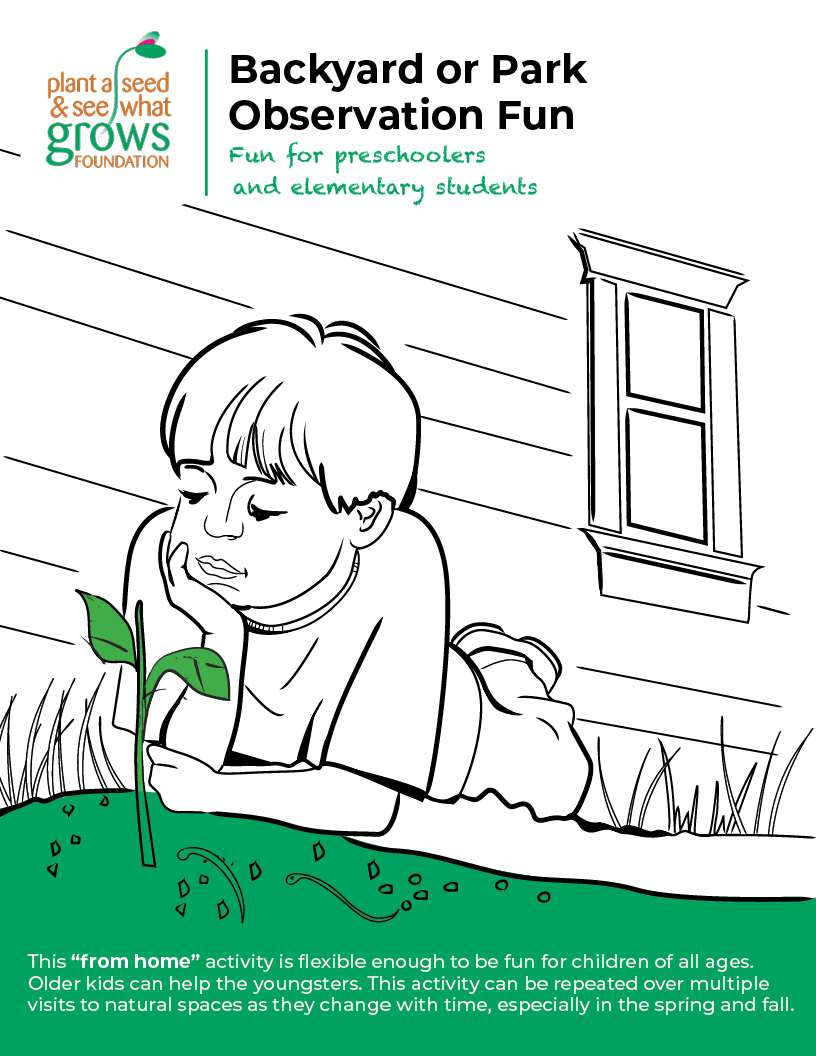
Amusant pour les enfants d'âge préscolaire et les élèves du primaire!
Cette activité “ à la maison ” est suffisamment flexible pour être amusante pour les enfants de tous âges. Les plus grands peuvent aider les plus petits. Téléchargez-la dès aujourd'hui !
Cliquez sur l'image ci-dessous pour télécharger
[/et_pb_text][et_pb_text _builder_version=”4.20.2″ _module_preset=”default” theme_builder_area=”post_content” hover_enabled=”0″ sticky_enabled=”0″]
[/et_pb_text][et_pb_text disabled_on=”on|on|on” admin_label=”Text” _builder_version=”4.16″ background_size=”initial” background_position=”top_left” background_repeat=”repeat” disabled=”on” global_colors_info=”{}” theme_builder_area=”post_content”]
Amusant pour les enfants d'âge préscolaire et les élèves du primaire!
Cette activité “ à la maison ” est suffisamment flexible pour être amusante pour les enfants de tous âges. Les plus grands peuvent aider les plus petits.
Cette activité peut être répétée sur plusieurs visites à mesure que les espaces naturels changent avec le temps, en particulier au printemps et en automne.
Avant de sortir : Prépare-toi !
Brainstormer sur la façon dont les enfants définissent la vie.
Demandez :
De quoi les êtres vivants ont-ils besoin ? (de l'air, de la nourriture, de l'eau, un abri/une protection...)
Nommez les caractéristiques des êtres vivants.
(manger, respirer, se reproduire, grandir/changer avec le temps ...)
Enregistrement
Utilisez un tableau blanc ou une feuille de papier sur le mur pour noter les idées. Pour les plus jeunes, prévoyez des images de ces caractéristiques/besoins (dessinez-les, découpez-les dans des magazines, téléchargez-les et imprimez-les – les plus grands peuvent aider pour cela).
Comparer :
Comparez la liste aux caractéristiques d'un animal, d'une plante, d'une roche, d'un océan/rivière/lac, d'un glacier/banquise.
Si la liste
ne comprend pas les caractéristiques ou les besoins requis par les animaux (y compris les oiseaux,
insectes, etc.) et les plantes, puis proposez des suggestions ou des invites.
Comparer et contraster : Discuter
différences entre les animaux et les plantes.
Concepts clés sur les plantes :
- Inspirer de l'oxygène comme les animaux et utiliser la lumière du soleil
pendant la journée pour l'énergie (photosynthèse) - Inspirer du dioxyde de carbone la nuit et expulser
oxygène (élément du cycle mondial de l'oxygène qui permet toute vie à l'exception de quelques-unes
types de bactéries qui n'ont pas besoin d'oxygène pour vivre - Utiliser les nutriments du sol et de l'eau ainsi que
lumière du soleil pour grandir - Reproduction par graines (reproduction sexuée) et/ou
par boutures (des morceaux d'une plante peuvent grandir pour donner d'autres plantes matures qui sont
la même que la plante d'origine – reproduction asexuée - séquestrer le dioxyde de carbone pour réduire
pollution (rôle des forêts tropicales et des forêts boréales) - Beaucoup d'animaux doivent manger des plantes pour grandir et
reproduire
Concepts clés pour l'observation scientifique :
- Les bons scientifiques regardent la même chose encore et
pour voir s'il y a des changements - Les bons scientifiques consignent ce qu'ils voient : écrivez ou
dessinez, photographiez ou filmez ; n'oubliez pas d'enregistrer la date, l'heure et le lieu pour chacun d'eux
l'heure de votre visite – si possible, notez la température et la météo
conditions, phase de la lune, saison de l'année - Les bons scientifiques sont respectueux – permettez à tout le monde
l'espace pour voir/observer ; utilisez d'abord vos yeux pour traiter les plantes/animaux/naturel
lieux avec respect - Les bons scientifiques utilisent leurs sens : regardez et
écoute, pratique le toucher délicat, l'odorat attentif et le goût seulement en présence d'un adulte
dit qu'il est permis de le faire
Allez dans la cour, le jardin, le quartier ou un autre espace naturel : Soyez un
scientifique !
Encouragez chaque enfant à choisir son propre espace dans le jardin/le parc/la nature
lieu dans votre quartier qu'ils peuvent visiter et observer chaque fois que vous
visiter.
Plante en pot
Les jardins et les balcons/terrasses peuvent aussi être des espaces naturels !
Plus d'activités :
Pour les jeunes enfants : dessiner une image, prendre une photo,
faire un frottage de feuille (voir ci-dessous)
Frottage de feuilles : papier blanc et
crayons
- Positionnez la feuille, le côté inférieur vers le haut, sous une couche
de papier – la feuille doit être visible à travers le papier - Tracez le contour de la feuille avec un crayon de cire.,
puis frottez le côté plat du crayon sur la feuille à l'intérieur du contour de la
feuille – vous devriez voir la nervation de la feuille sur le frottis - Recherche différentes formes de feuilles, des motifs et
tailles
Pour les enfants plus âgés : écrire des paragraphes descriptifs ou
poèmes (voir ci-dessous) ; dessinez une carte de l'espace d'observation et mettez-la à jour à chaque fois
visiter
Types de poèmes : acrostiche, haïku,
béton, strass
- Les enfants peuvent faire des recherches sur différents types de poèmes
et utiliser leur format préféré pour créer un poème basé sur leurs observations et
recherche – n'oubliez pas de les illustrer !
Partager
Publiez des frottis de feuilles et/ou des poèmes chez vous ou, avec l'autorisation d'un parent, sur les réseaux sociaux, ou partagez-les avec d'autres famille et amis par e-mail.
D'après le contenu de C'est parti pour le jardinage ! Activités pour apprendre l'alimentation et le jardin par J Mayer-Smith et L Peterat – Merci ! Fourni comme ressource éducative gratuite par Plant a Seed & See What Grows Foundation© Non destiné à un usage commercial ou à la revente.
[/et_pb_text][/et_pb_column][/et_pb_row][/et_pb_section]